March 18, 2026
There are various reasons why rural homeowners are inclined towards using heating oil systems over other heating alternatives. We delve into the unique advantages and challenges associated with heating oil that make it a preferred choice in rural settings. Keep reading to learn more.
Availability and Accessibility of Heating Oil in Rural Areas
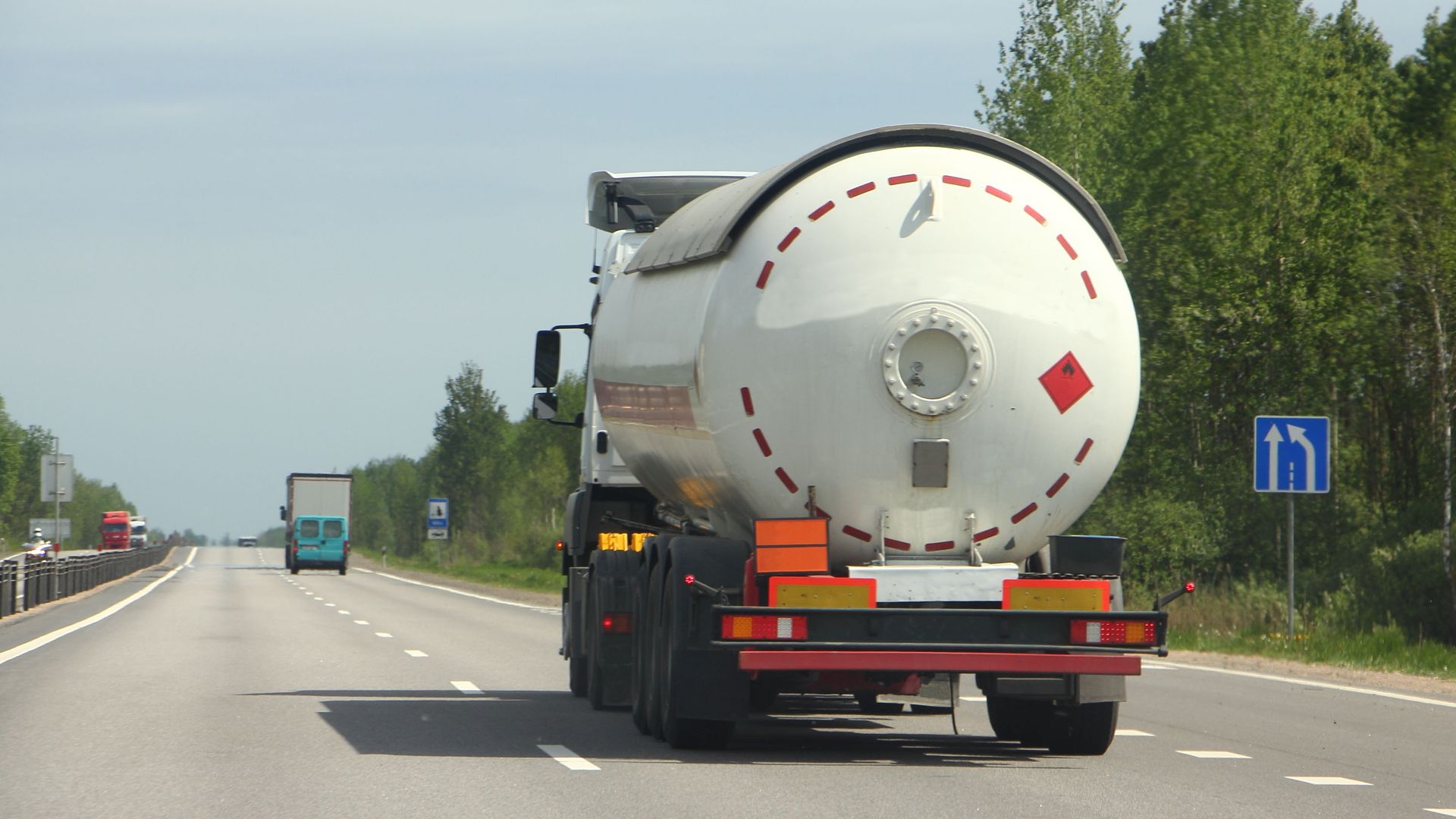
Rural areas often benefit from local suppliers who offer heating oil, ensuring a reliable supply chain deeply embedded within the community. Many of these suppliers operate as local oil companies, building long-standing relationships with residents that foster trust and accountability. Because local oil companies typically live and work in the same communities they serve, they understand seasonal demands and regional weather patterns better than distant providers. Delivery services in such areas are often more personalized, with drivers scheduling drop-offs in advance based on local forecasts and individual household usage patterns.
Unlike urban or suburban areas, rural regions may have less dependency on municipal energy grids, making heating oil an appealing option. Many rural communities are not connected to natural gas pipelines, which makes oil heating a practical solution. In these areas, local oil companies fill an essential gap by delivering fuel directly to properties that would otherwise have limited energy choices. The independence from large municipal energy grids allows residents to manage their energy needs without being subject to infrastructure issues that can impact densely populated areas.
The adaptability of heating oil infrastructure in rural settings is also noteworthy. Homes that use heating oil often have existing tanks and systems that are well-maintained and easily adaptable to new technologies. Local oil companies frequently assist homeowners with tank upgrades, inspections, and compatibility improvements when transitioning to cleaner-burning fuels. The rural environment enables ease of installation and maintenance, which may be more challenging in denser urban settings.
Seasonality plays an essential role in heating oil's popularity, with rural homeowners often planning their fuel usage around the year's colder months. The ability to store heating oil for long periods allows homeowners to buy in bulk during the off-peak season when prices are typically lower. Many local oil companies offer seasonal pricing programs or pre-buy options that help residents better plan for winter heating expenses. This seasonality also aligns with fuel logistics and scheduling bulk deliveries when road accessibility is easier.
Geography significantly impacts fuel logistics in rural areas, where isolated homes can receive tailored services from nearby providers. The expansiveness of rural environments requires adaptable and reliable delivery networks. Local oil companies are often uniquely equipped to handle these routes, servicing even the most remote properties with consistent scheduling and responsive customer service. This logistical framework provides an essential support system for the continued use of heating oil systems in these settings.
Cost-Effectiveness and Financial Predictability
While the price of oil can fluctuate, many rural homeowners rely on long-term contracts that lock in pricing, providing financial predictability. Local oil companies frequently offer budget plans that spread payments evenly throughout the year, helping households avoid large seasonal bills. These contracts can buffer against market volatility, allowing families to plan their annual heating costs more effectively. This stability is particularly valuable in regions where incomes are closely tied to agriculture or other seasonal industries.
In rural areas, economies of scale can lead to cost-effective heating oil pricing. Established supply chains maintained by local oil companies often reduce transportation and distribution costs. This efficiency allows them to offer competitive pricing compared to providers located farther away. As a result, homeowners are more likely to remain loyal to oil heating systems that balance affordability with dependable performance.
Compared to electric or natural gas systems, heating oil provides cost benefits that many rural homeowners find appealing. Electric heating can be significantly more expensive, especially during harsh winters when usage spikes. Meanwhile, natural gas may not be available at all. In such cases, local oil companies become the primary energy partners for households, making heating oil not only financially viable but sometimes the only practical option.
Rebates and financial incentives are often available to those who utilize heating oil systems, further mitigating annual operating costs. Some programs aim to support rural residents by alleviating financial burdens linked to heating expenses. Local oil companies frequently help homeowners navigate rebate applications or recommend equipment upgrades that qualify for incentives. This added layer of guidance strengthens the economic appeal of oil heating.
Energy efficiency improvements in heating oil systems continue to promote cost savings over time. Upgraded systems and better maintenance practices have extended the lifespan of heating systems, allowing residents to reduce long-term energy expenses. According to ENERGY STAR, a furnace or heater can typically last approximately 15 years, emphasizing the importance of regular servicing and proper upkeep.
Energy Independence and Self-Sufficiency
Heating oil systems offer off-grid solutions that appeal to those seeking energy independence in rural areas. The ability to store energy on-site enables homeowners to operate independently of larger energy networks. Local oil companies support this independence by providing reliable delivery schedules and emergency refill options when needed. This autonomy provides stability during weather events that might disrupt municipal utilities.
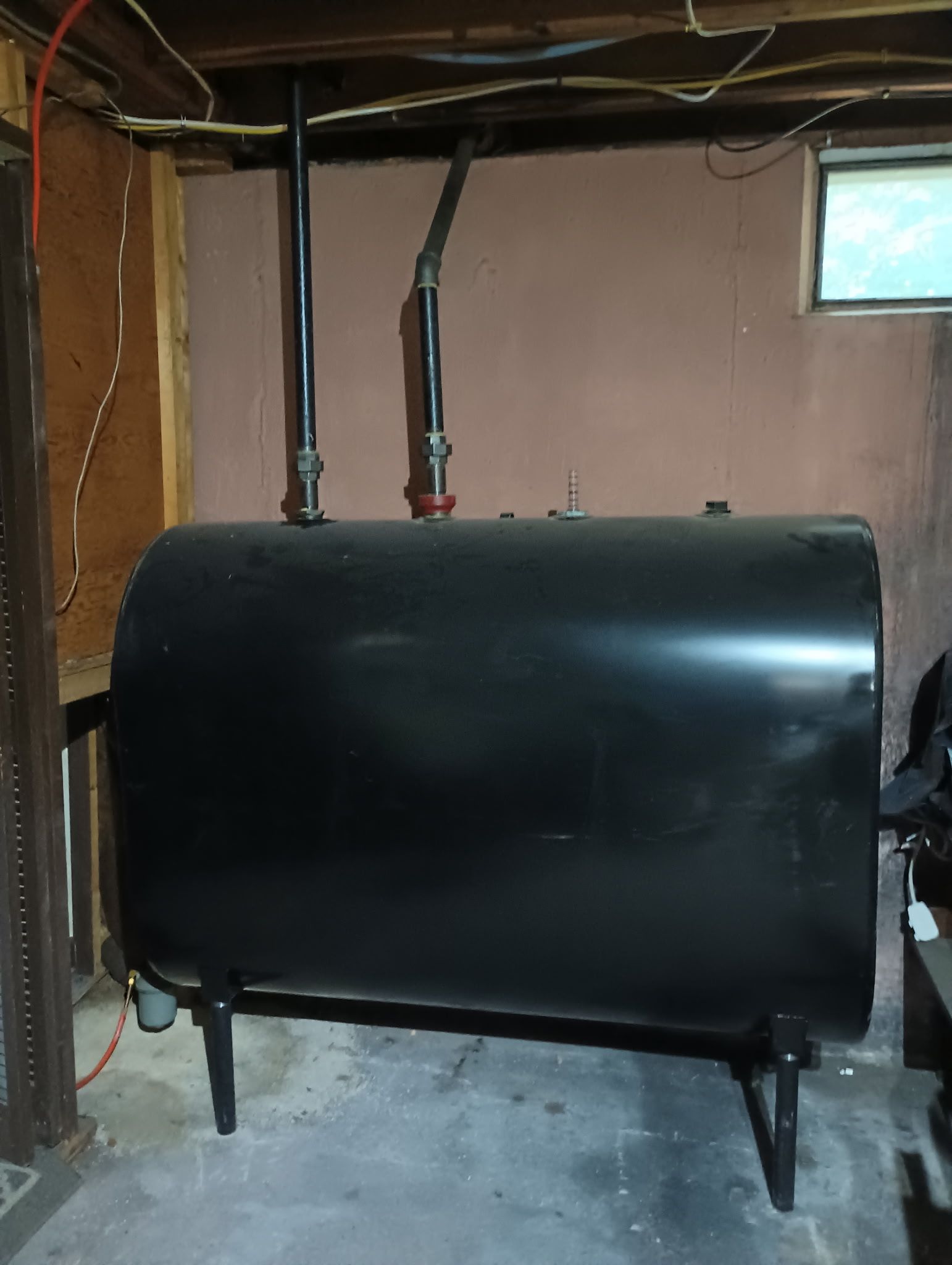
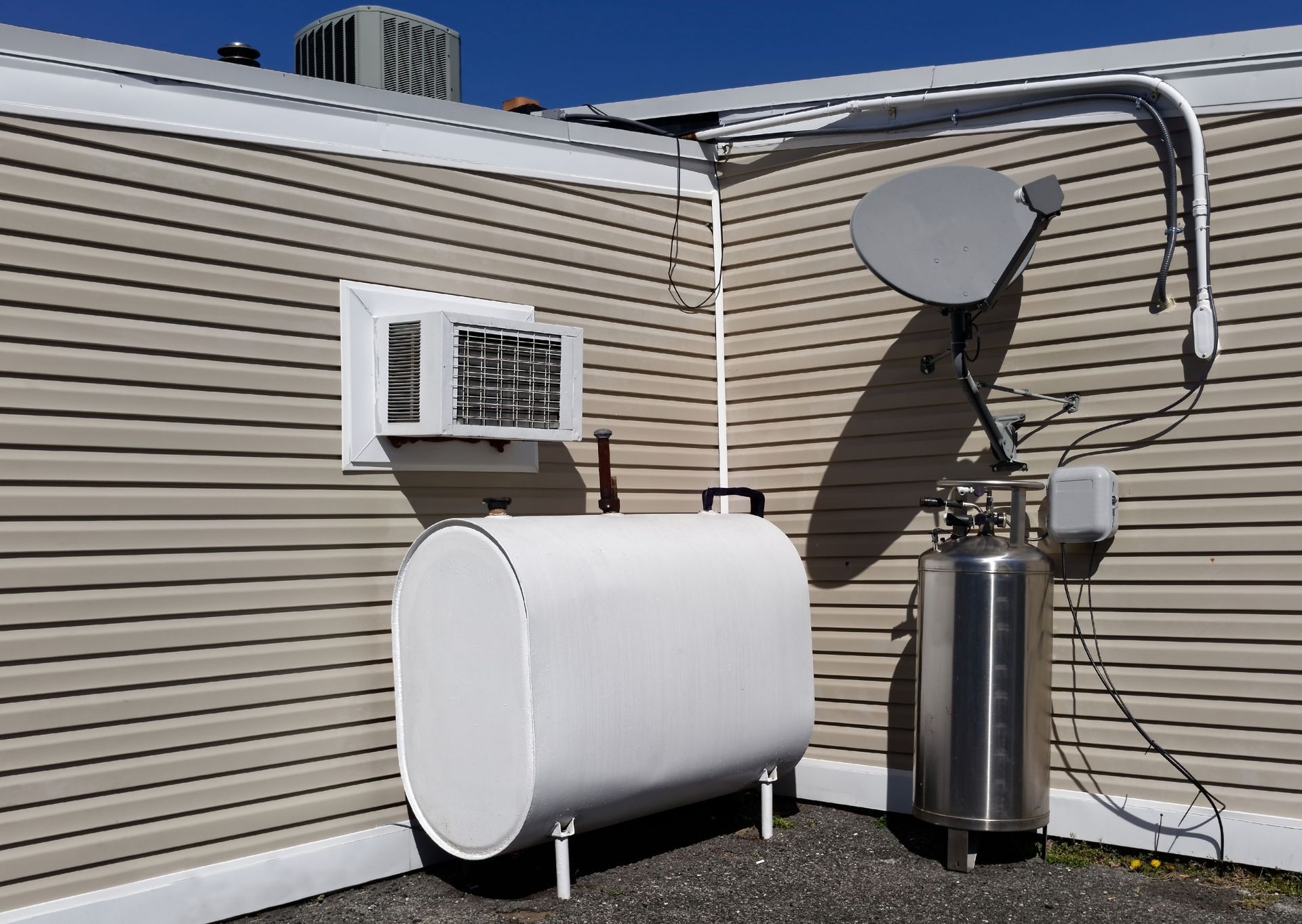
Storage tank innovations play a critical role in enhancing the efficiency and safety of heating oil systems. Modern tanks are designed to minimize leakage and simplify monitoring. Many local oil companies now offer tank monitoring technology that alerts both the homeowner and supplier when fuel levels are low. This advancement enhances supply management and reduces the likelihood of unexpected outages.
Heating oil systems reduce reliance on the variability of renewable energy sources such as solar or wind. While renewable options are attractive for many homeowners, they may not always provide consistent output in colder climates or during extended cloudy periods. Heating oil serves as a dependable backup or primary source, allowing households to maintain steady indoor temperatures.
One of the significant advantages of heating oil is the customizable consumption control homeowners can achieve. Residents can monitor fuel usage and adjust heating levels according to lifestyle and weather changes. Local oil companies often provide usage reports and consultation services to help families optimize efficiency. Smart thermostats and system upgrades further enhance convenience and cost control.
During natural disasters such as blizzards or severe storms, oil-heated homes maintain greater autonomy. While electric or gas services may falter during extreme events, heating oil systems—if properly supplied—can continue operating. The reliability of fuel delivery from local oil companies contributes to the sense of preparedness and resilience valued by rural homeowners.
Reliability and Performance of Heating Oil Systems
The effectiveness of heating oil in harsh weather conditions is well-documented, supporting its longstanding use in rural communities. Heating oil systems provide consistently high energy output, which is crucial during extreme winter conditions. Residents depend on the steady performance of these systems to keep their homes warm and secure.
The durability and longevity of heating oil equipment further reinforce its reliability. Well-maintained systems can operate efficiently for many years, especially when serviced regularly. Local oil companies frequently offer maintenance plans that include inspections, cleaning, and performance checks to extend system life.
Consistent heat output is a hallmark of heating oil systems, which regulate indoor temperatures effectively. This consistency is especially valuable in regions that experience dramatic temperature fluctuations. Oil systems deliver steady warmth with minimal variation, ensuring comfort throughout winter.
The historical dependability of heating oil continues to inspire confidence among rural homeowners. Generations have relied on oil heating to withstand cold climates, building a tradition of trust around the system. Many local oil companies are family-owned businesses that have served the same communities for decades, reinforcing this cultural continuity.
Maintenance and service considerations remain central to performance. Routine inspections prevent malfunctions and optimize combustion efficiency. By partnering with local oil companies for annual servicing, homeowners help maintain safe operation and maximize energy output.
Rural homeowners favor heating oil systems due to a combination of logistical convenience, economic advantages, energy independence, reliability, and cultural continuity. With ongoing advancements and strong support from local oil companies, these systems remain a dependable and deeply rooted choice for many rural communities. Contact Al's Oil Service today to get started with a quality heating oil system.