February 6, 2026
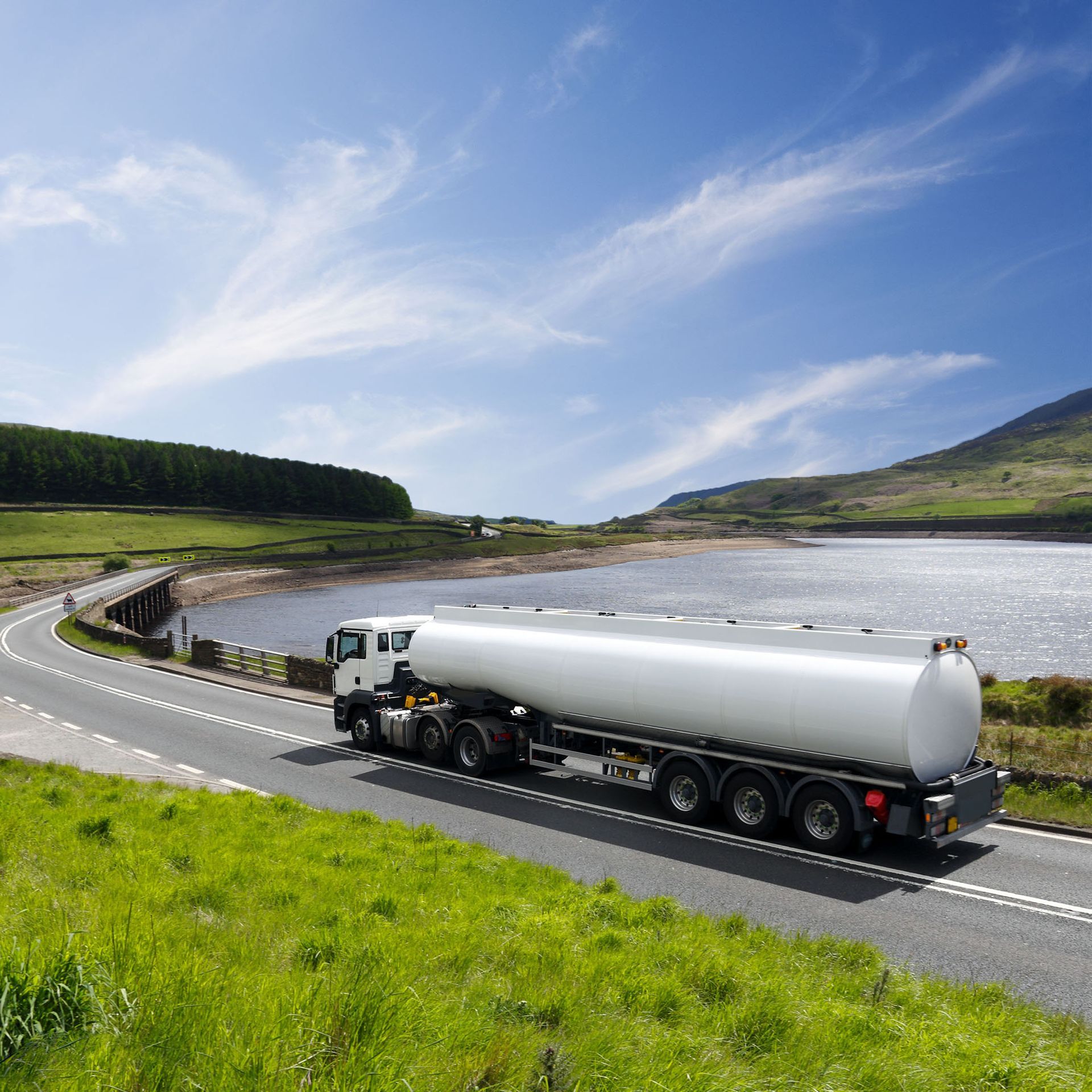
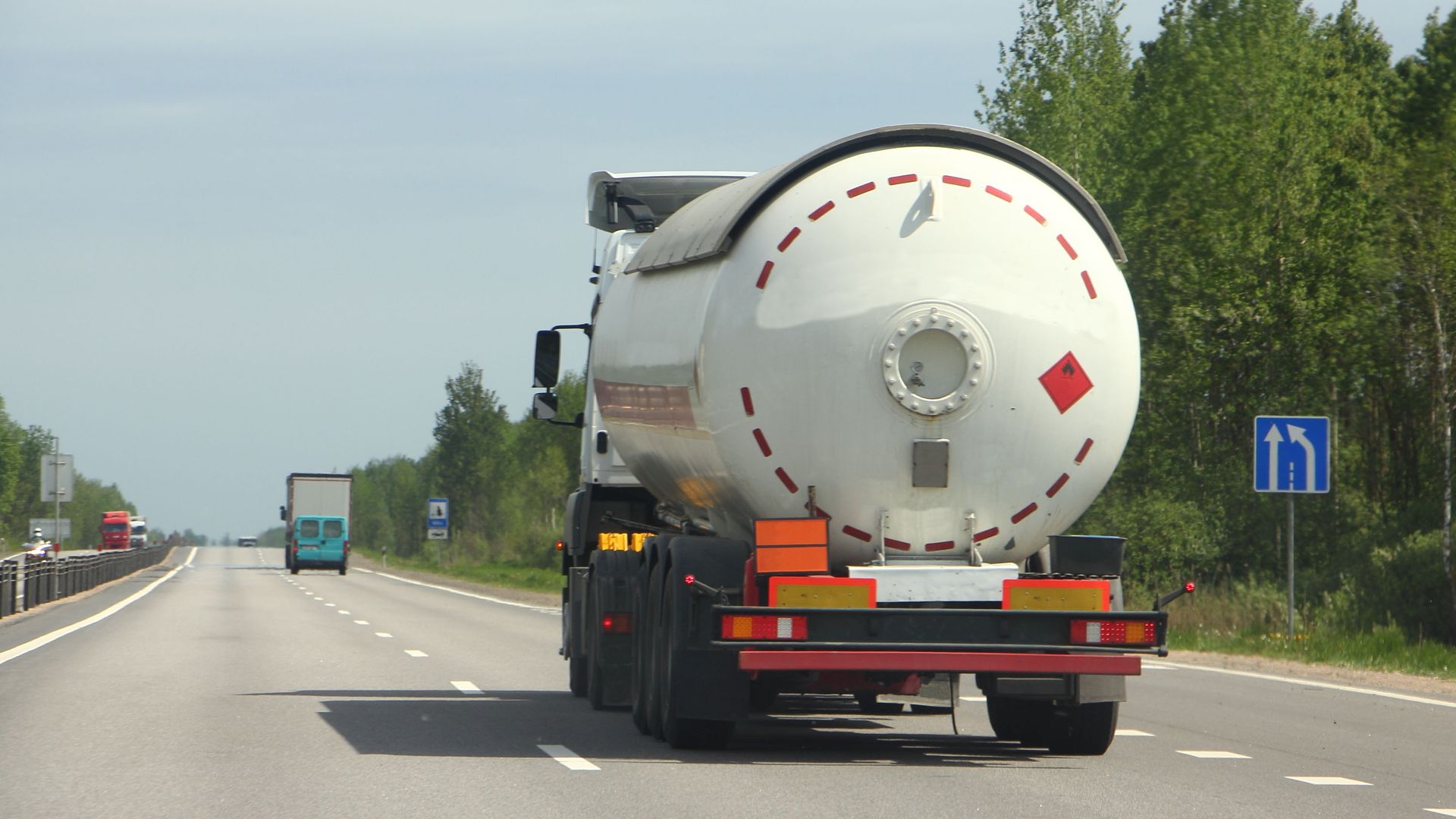
Oil delivery plays a central role in keeping many homes comfortable throughout colder seasons, yet it is often treated as a routine task rather than a coordinated planning decision. From fuel usage patterns to timing and safety considerations, small oversights can lead to higher costs, delayed service, or unnecessary stress. Many households focus only on placing an order when levels appear low, without accounting for broader factors that influence performance and reliability. Understanding what tends to be overlooked allows homeowners to make more informed decisions, which leads directly into the key areas that shape effective residential oil delivery planning.
1. Assess Accurate Oil Needs
Accurately evaluating household fuel needs is one of the most overlooked steps when arranging residential oil delivery. Usage varies based on home size, insulation quality, occupancy changes, and seasonal temperature shifts, yet many homeowners rely on habit rather than data. Tracking fuel consumption over time provides a clearer picture of demand and helps prevent both overordering and unexpected shortages. Tank size and current fuel levels also matter, as misjudging capacity can disrupt scheduling and budgeting. Factoring in efficiency is equally important, since oil heating systems are known for strong performance. According to Today’s Homeowner, many systems operate with efficiency ratings near 95%, which means aligning delivery timing with actual usage helps maintain that level of performance without waste.
Beyond numbers alone, lifestyle changes can quietly influence fuel consumption. Extended time spent at home, additional occupants, or changes in thermostat habits all affect daily demand. Reviewing these shifts periodically ensures estimates remain accurate throughout the season. When oil needs are reassessed consistently, homeowners reduce uncertainty and gain greater control over heating costs.
2. Plan Delivery Timing Carefully
Timing is a critical component of residential oil delivery that often receives less attention than it should. Cold weather increases demand across entire regions, which can affect availability and response times. Scheduling fuel refills before peak periods helps reduce the likelihood of delays and avoids the pressure of last-minute requests. Monitoring tank levels consistently allows deliveries to be planned at practical intervals rather than in reaction to emergencies.
Delivery timing also influences household budgeting. Spreading refills evenly across the season helps manage cash flow more effectively than waiting for urgent refills. Understanding seasonal patterns allows homeowners to anticipate higher usage periods and plan accordingly. When timing decisions are made thoughtfully, heating remains uninterrupted even during prolonged cold stretches.
3. Review Service Options Thoroughly
Comparing provider offerings goes beyond price alone and is an important step when arranging oil delivery. Service terms, delivery flexibility, and communication practices all influence the overall experience. Some homeowners overlook the value of fuel refill services paired with clear tank level estimates, which can simplify planning and reduce uncertainty.
Heating and cooling equipment maintenance is another factor that supports consistent fuel usage and system reliability. Regular attention to equipment performance ensures fuel is used efficiently rather than lost to preventable issues. Reviewing available services as a whole allows homeowners to align fuel planning with broader system care needs.
4. Consider Local Availability Factors
Regional availability can significantly affect how residential oil delivery operates during high-demand periods. Providers familiar with local conditions are better positioned to anticipate weather-related surges and access challenges. This familiarity supports more dependable scheduling and clearer communication around delivery windows.
Local weather patterns, road conditions, and seasonal demand cycles all shape delivery logistics. When homeowners account for these factors, they are less likely to encounter disruptions during extreme weather events. Planning with regional realities in mind adds an extra layer of reliability to fuel scheduling decisions.
5. Account for Fuel Price Fluctuations
Fuel pricing can shift throughout the heating season, yet many homeowners overlook how these changes affect long-term planning. Market conditions, weather patterns, and regional demand all influence pricing, sometimes with little notice. Failing to account for these variables can lead to budgeting surprises during periods of heavy usage. Monitoring pricing trends helps homeowners anticipate higher cost periods and adjust delivery timing accordingly.
Price awareness also supports smarter refill decisions. Ordering fuel at consistent intervals rather than waiting for urgent needs allows for more predictable spending. Even modest adjustments in timing can help reduce financial strain during colder months. When pricing considerations are built into scheduling decisions, fuel management becomes more stable and less reactive.
6. Coordinate Fuel Planning With System Usage
Heating systems rarely operate in isolation from other household equipment, yet coordination between usage and fuel planning is often overlooked. Heating and cooling equipment maintenance plays a role in how efficiently fuel is consumed, particularly during seasonal transitions. When systems operate as intended, fuel usage aligns more closely with expectations, reducing unnecessary refills. Coordinating delivery schedules with known usage patterns helps ensure fuel is available when demand increases.
Usage coordination also involves understanding how temperature settings and daily routines affect consumption. Small changes in thermostat behavior can significantly influence fuel levels over time. Reviewing system performance alongside delivery timing supports smoother operation and helps households maintain steady indoor comfort throughout the season.
7. Prepare for Extended Cold Weather Periods
Extended cold spells can place added strain on heating systems and fuel reserves, yet many homeowners underestimate their impact. Prolonged low temperatures often increase daily fuel consumption beyond typical seasonal averages. Without preparation, this can result in accelerated tank depletion and scheduling pressure. Planning ahead for extended cold periods allows households to adjust refill timing before demand spikes.
Preparation includes reviewing tank levels more frequently during severe weather and accounting for increased system runtime. When homeowners anticipate these conditions, they reduce the likelihood of urgent refills and service disruptions. Building flexibility into fuel planning ensures heating remains consistent even during unusually harsh winters.
8. Balance Economic and Environmental Impacts
Economic considerations extend beyond immediate fuel costs when planning residential oil delivery. Delivery frequency, refill volume, and route efficiency all influence overall expenses. Ordering fuel at strategic intervals helps balance upfront costs with long-term usage needs.
Environmental responsibility also plays a role in modern heating decisions. Efficient scheduling reduces unnecessary fuel transport and supports more responsible resource use. When cost management aligns with efficiency goals, homeowners benefit from steadier expenses and reduced operational strain throughout the heating season.
9. Maintain Tank Safety and Performance
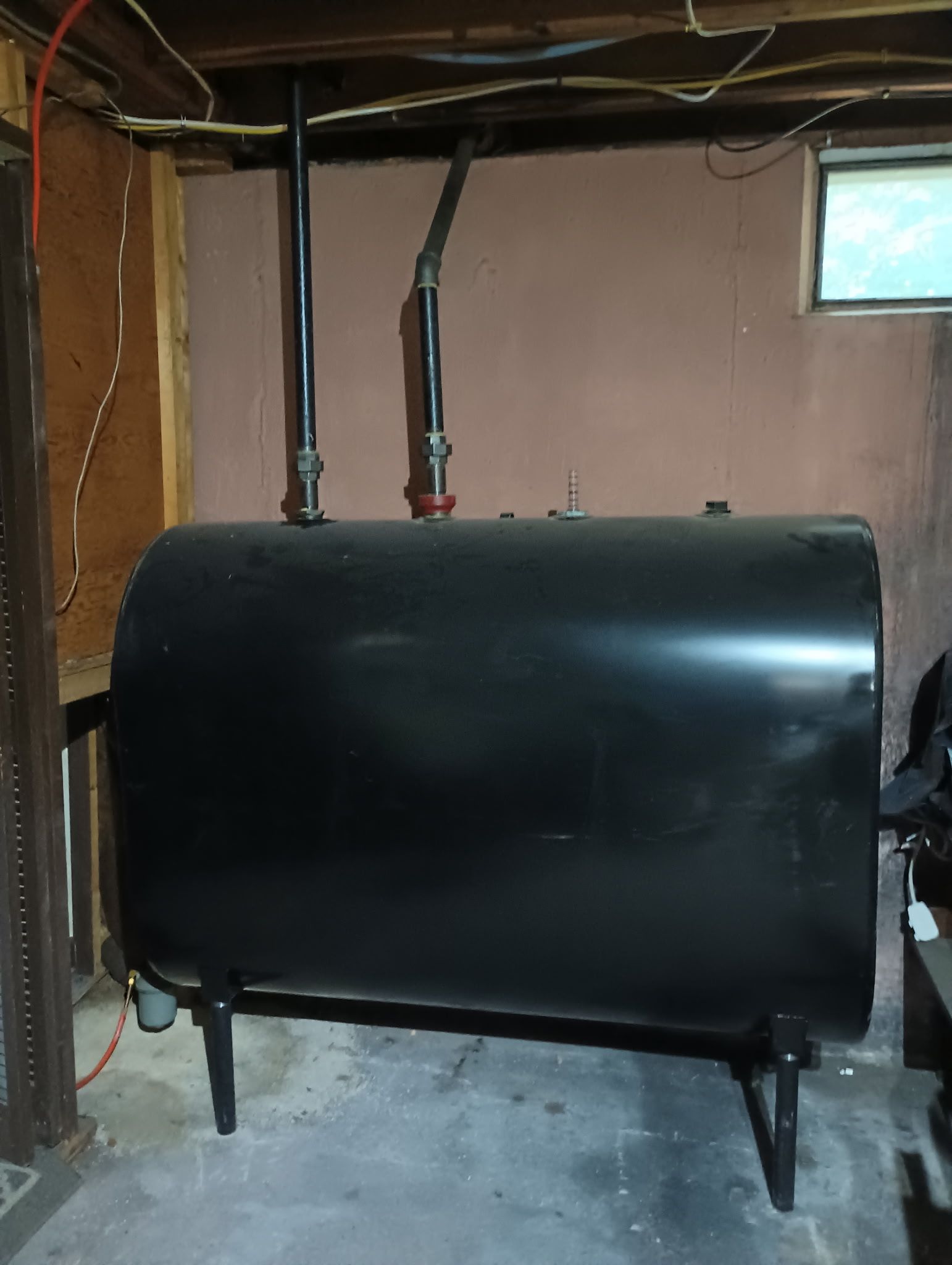
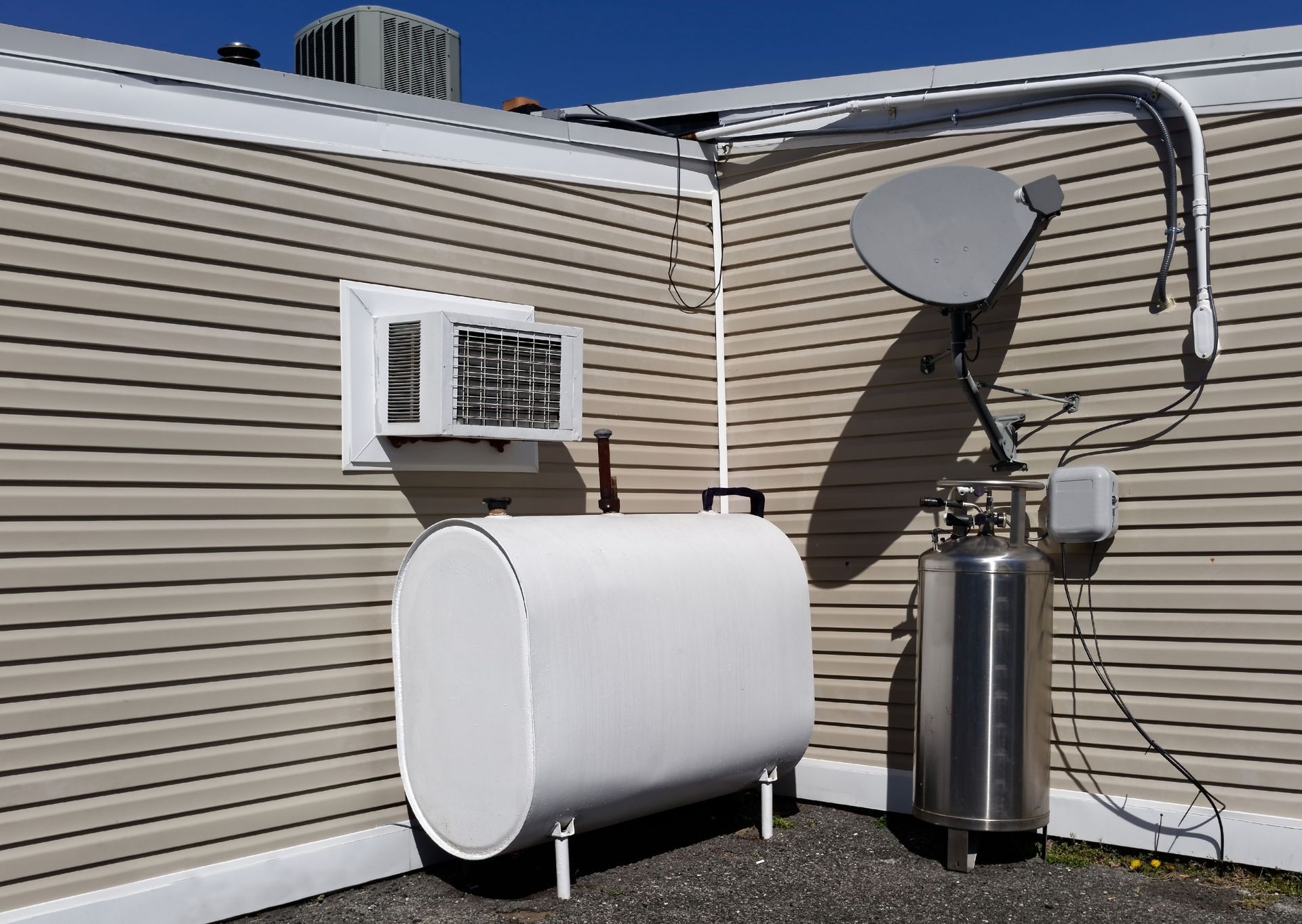
Tank condition and safety protocols play a major role in supporting uninterrupted residential oil delivery. Regular inspections help identify wear, corrosion, or positioning issues that could affect performance or safety. Leak prevention measures protect both property and surrounding areas while reducing the risk of service disruptions.
Maintaining proper clearances, ventilation, and accessibility further supports safe operation. Staying current with safety standards ensures tanks function as intended under varying conditions. A well-maintained tank provides peace of mind and contributes to consistent heating performance.
10. Use Technology for Better Oversight
Technology offers valuable support for managing residential oil delivery more effectively. Monitoring tools provide clearer visibility into fuel levels and usage trends, reducing reliance on guesswork. Alerts and scheduling tools help households anticipate refill needs and coordinate deliveries at optimal times.
Usage insights gathered over time can highlight patterns that support smarter planning decisions. When data is used to guide scheduling, homeowners gain better control over fuel management and reduce the likelihood of unexpected shortages during colder months.
Overlooking key details when scheduling
residential oil delivery can lead to avoidable challenges, from timing issues to safety concerns. By paying closer attention to fuel usage patterns, delivery coordination, pricing awareness, and system upkeep, homeowners can support a more predictable heating experience. At Al’S Oil Service, we focus on helping households plan ahead and stay informed. We encourage homeowners to contact us to discuss fuel delivery, tank level estimates, and ongoing service options that support dependable comfort throughout the heating season.