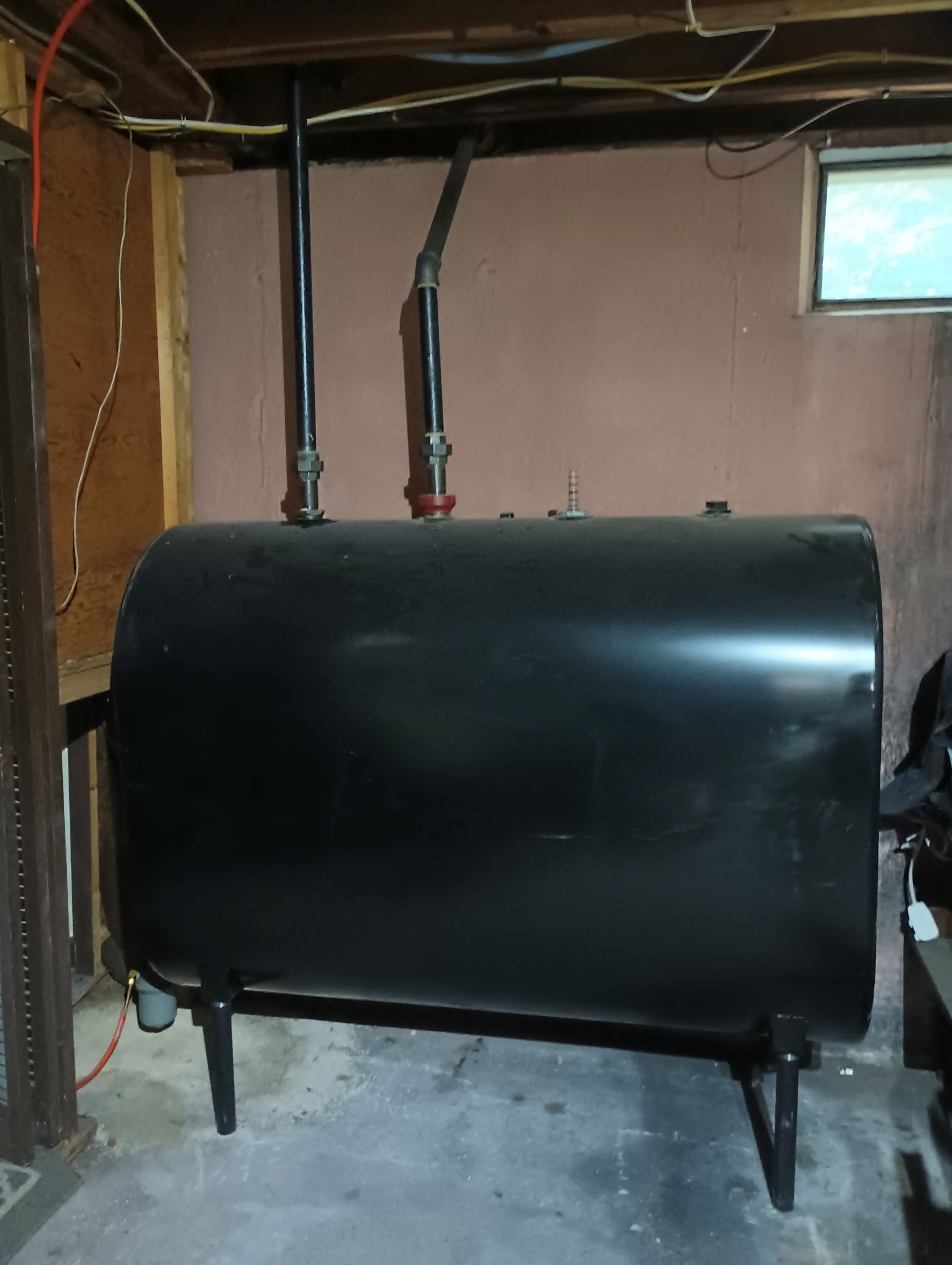
October 29, 2026
As temperatures drop across the Northeast, homeowners begin paying closer attention to household heating expenses. Fuel prices can significantly influence winter budgets, making it useful to understand why costs fluctuate and which parts of the supply chain contribute to the final price. Although crude oil markets receive much of the attention, refining also plays an important role in determining what consumers pay.
According to Statista, refinery processing accounted for approximately 15% of the price of a gallon of residential heating oil in the United States in 2022. This expense reflects the work required to transform crude oil into usable fuel before it reaches homes and businesses. Understanding this process helps homeowners recognize why prices change and how different market influences affect seasonal expenses.
For households preparing for colder weather, understanding these factors can support better budgeting and more informed conversations with a fuel provider. Prices reflect several connected influences, including raw material costs, processing, transportation, seasonal demand, and local delivery expenses.
Understanding How Crude Oil Influences Fuel Prices
Crude oil is the primary raw material used to produce many petroleum products, including residential heating fuel. Because it is traded in global markets, its price responds to international supply and demand, production decisions, geopolitical developments, and expectations about future economic activity. These influences can create price movements that extend beyond a single region.
When crude oil prices rise, refiners generally face higher costs for their raw materials. Those expenses can eventually affect the prices of refined products, although the relationship is not always immediate or directly proportional. Refining capacity, inventories, transportation expenses, and market demand can influence how quickly changes move through the supply chain.
When crude oil prices fall, consumers may not see an immediate reduction in their fuel expenses. Existing inventories, supplier contracts, distribution costs, and local market conditions can affect how quickly lower wholesale prices reach residential customers. The timing and size of price changes depend on more than the crude oil market alone.
For homeowners, this distinction explains why monitoring a single oil price does not provide a complete picture of household heating expenses. The amount paid by a residential customer reflects multiple stages between the original raw material and the delivered product.
Understanding How Refining Adds to Fuel Costs
Refining transforms crude oil into products suitable for specific uses, including transportation fuels and residential heating products. The process involves specialized equipment, energy, labor, maintenance, and quality controls. Refineries must also manage operating expenses and comply with applicable environmental and safety requirements.
The approximately 15% share reported by Statista illustrates how processing contributes to the final price. However, this figure represents a historical estimate rather than a fixed percentage that applies identically to every region or pricing period. Refining expenses can change as operating conditions, energy costs, and product demand shift.
Refining costs may increase when equipment requires maintenance, energy prices rise, or unexpected operational problems affect production. Refinery outages can also limit available supplies and influence wholesale market prices. When production capacity is constrained during periods of strong demand, suppliers may face additional pressure to meet customer needs.
The types of petroleum products being produced also matter. Refineries balance production across several outputs, and the availability of a particular product depends partly on processing configurations and market conditions. Residential fuel prices therefore reflect both raw material costs and the practical expense of converting crude oil into a usable product.
The U.S. Energy Information Administration identifies crude oil, refinery processing, and marketing, distribution, and delivery as major components of residential fuel prices. This breakdown demonstrates why refining is important without suggesting that it is the only factor influencing the amount customers pay.
Evaluating How Seasonal Demand Changes Prices
Seasonal demand is another important factor in residential fuel pricing. During colder months, households across the Northeast rely more heavily on heating oil to maintain comfortable indoor temperatures. When temperatures fall across a broad area, consumption can increase at the same time that distributors are working to serve more customers.
This seasonal pattern can influence wholesale prices, particularly when cold weather arrives earlier than expected or persists longer than usual. A sudden cold spell may increase fuel consumption and place additional pressure on available inventories. If supplies are limited, market prices may respond to the increase in demand.
Weather also affects when customers arrange deliveries. Many households schedule purchases before the coldest part of winter, while others order when their tanks reach a particular level. These patterns can influence local delivery schedules and create busier periods for fuel providers.
Planning ahead can help households approach winter with fewer last-minute concerns. Customers who understand their typical seasonal usage can discuss delivery timing and budgeting options with their provider. Although planning cannot eliminate market fluctuations, it can make household fuel needs easier to anticipate and manage.
Exploring How Transportation and Distribution Affect Prices
After crude oil is processed, the resulting fuel must move through a distribution network before reaching residential customers. Transportation, storage, terminal operations, and delivery all contribute to the final price. The costs associated with these activities can vary depending on location, infrastructure, and market conditions.
Understanding heating oil prices helps homeowners plan for winter expenses. Crude oil costs, refining, transportation, inventories, and seasonal demand all influence pricing. Reviewing past fuel usage and discussing delivery schedules, payment options, and budgeting programs with a provider can help households prepare for colder weather.
Al's Oil Service supports New England homeowners with residential fuel services tailored to their needs. Visit Al's Oil Service to learn more about available services and discuss your home heating needs before winter arrives.
Considering How Supply and Inventories Influence Prices
Available inventories help determine whether the market can respond to changes in demand. Suppliers maintain stocks to support distribution and manage the gap between production and consumption. When inventories are sufficient, the market may have more flexibility to absorb temporary increases in demand.
However, inventories become especially important when colder weather arrives unexpectedly, refinery operations are interrupted, or transportation disruptions restrict deliveries. If available supplies decline while demand remains strong, wholesale prices may rise. Conversely, adequate inventories can help reduce pressure during periods of higher consumption.
Supply conditions can also be affected by maintenance schedules and production decisions. Refineries periodically require maintenance, and planned or unplanned interruptions can temporarily reduce output. These developments may affect regional product availability, depending on the scale of the disruption and the ability of other suppliers to respond.
For residential customers, inventory levels are one reason fuel prices can change even when crude oil prices remain relatively stable. The amount of finished product available for distribution is an important part of the pricing picture.
Preparing Household Budgets for Winter Fuel Expenses
Understanding fuel pricing can help homeowners make practical decisions about seasonal household expenses. While consumers cannot control crude oil markets, refining costs, or regional supply conditions, they can prepare for changing winter needs with heating oil planning.
Reviewing past fuel usage, home size, insulation, and local weather can help estimate winter expenses. Discussing delivery schedules, payment options, and budgeting programs with a fuel provider also supports planning.
Because prices depend on crude oil, refining, transportation, inventories, and seasonal demand, understanding these factors helps homeowners prepare for changing costs and make informed decisions about their winter heating needs, including heating oil expenses.
For households preparing for another New England winter, informed budgeting and dependable fuel service can make seasonal heating needs easier to manage. Al's Oil Service helps customers address their residential fuel needs with service tailored to their circumstances.
Visit Al's Oil Service to learn more about available services and contact the team to discuss your home heating needs.