September 26, 2026
Timely fuel delivery is crucial for maintaining an energy-efficient, cost-effective, and comfortable home environment. Managing your tank levels effectively prevents the severe discomfort of running out of fuel while ensuring your heating equipment operates at peak performance. With shifting energy costs, unpredictable weather patterns, and changing household demands, understanding exactly when to reorder helps protect your heating system, minimize emergency delivery fees, and maintain steady indoor warmth through the coldest months of the year.
Tracking Usage and Household Demands
To manage your fuel supply effectively, begin by establishing a consistent method for tracking your overall consumption patterns. Keep detailed records of your fills alongside local weather conditions to learn how much fuel your home consumes during mild seasonal shifts versus severe winter cold snaps. Divide your total annual usage by twelve to estimate baseline monthly consumption, while making allowances for predictable spikes during peak heating months. Understanding these historical habits ensures you can schedule fills well before your tank reaches a critically low level.
Changes within your home environment also directly impact your overall fuel consumption. Bringing additional family members into the household increases hot water usage and heating demands, while home expansion or renovation projects increase total heated square footage. Even minor upgrades to insulation, windows, or home sealing can dramatically reduce heat loss and lower your overall fuel requirements. Evaluating lifestyle habits, like desired thermostat temperatures during daytime hours, provides additional clarity when estimating upcoming fuel needs. Regularly assessing these lifestyle and structural adjustments allows you to calibrate your delivery schedule accordingly, preventing sudden supply shortages during periods of increased usage.
Leveraging modern home technology further enhances your ability to track fuel consumption accurately. Devices such as smart thermostats and digital tank monitoring systems provide real-time data on daily consumption rates and remaining fuel levels. Integrating smart monitoring technology ensures you receive automated alerts long before your system experiences a shortage, giving you complete peace of mind and total control over your home comfort management.
Evaluating Weather and Regional Factors
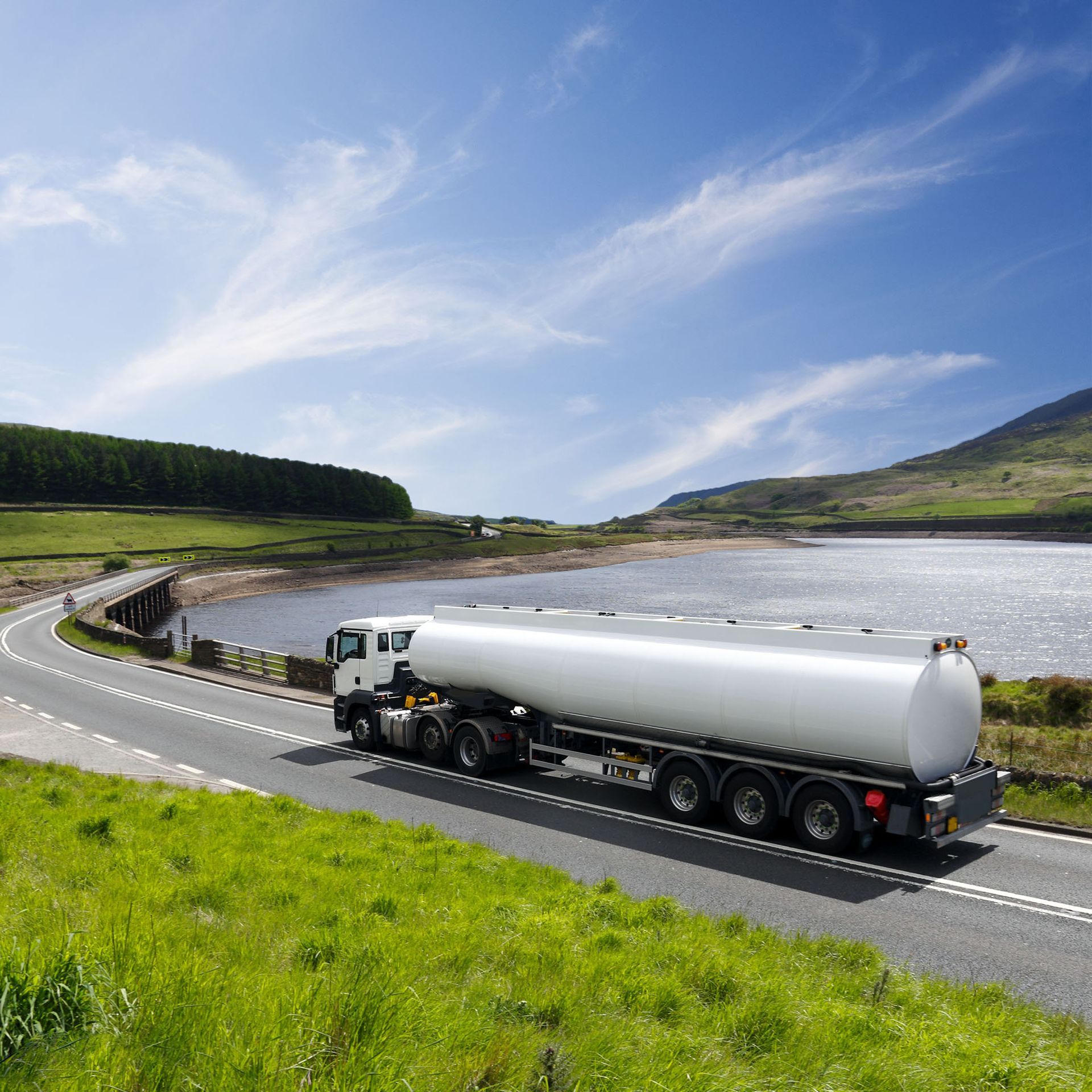
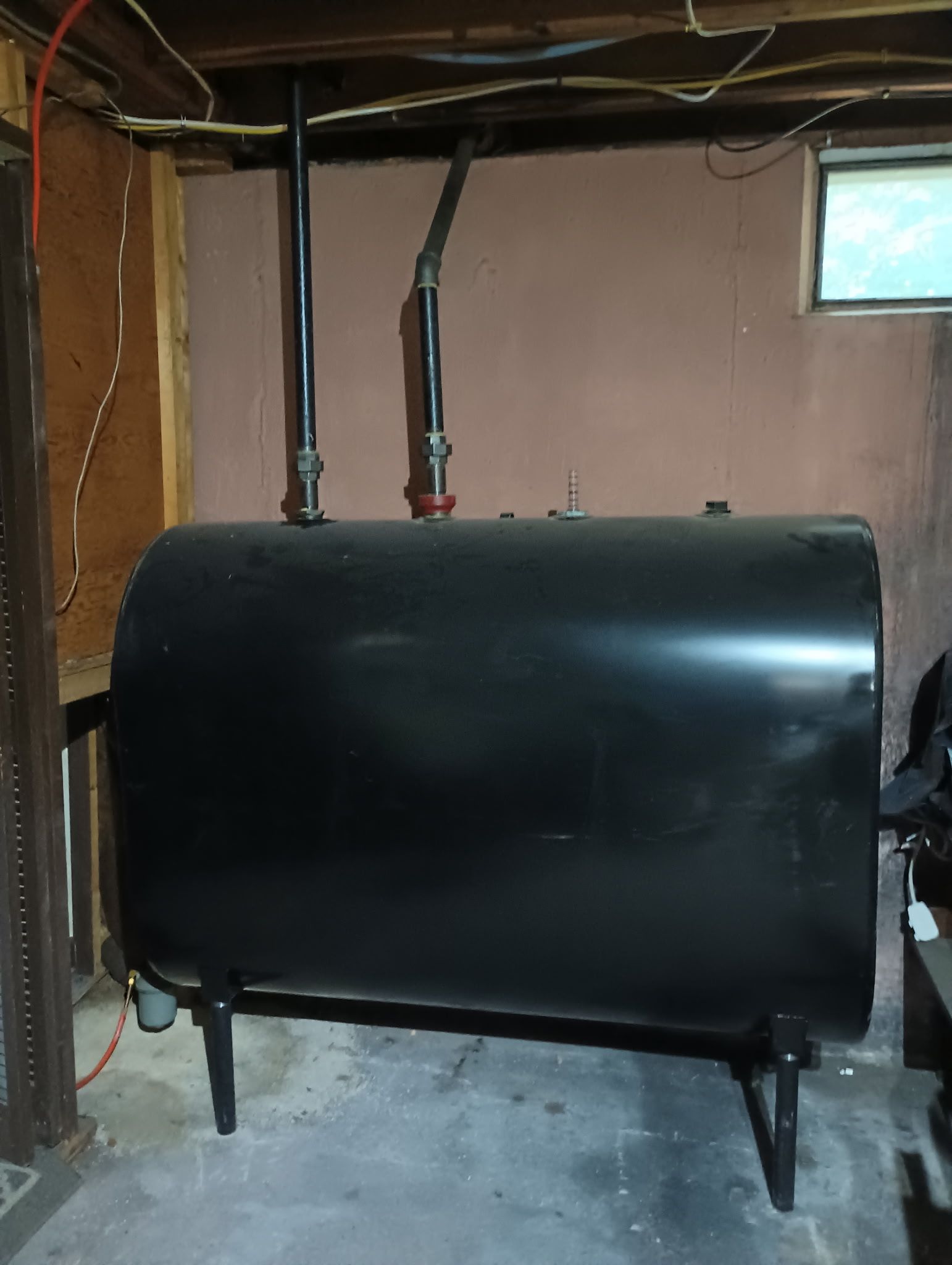
Sudden cold snaps create sharp spikes in heating demand across entire communities, causing residential fuel reserves to drain much faster than normal. According to HomeGuide, oil furnace tanks typically hold 300 to 500 gallons. During intense cold spells, a tank can deplete far faster than expected, making proactive reordering essential to avoid supply delays. Monitoring seasonal weather trends and ordering well in advance of predicted winter storms ensures uninterrupted heating when fuel suppliers face peak delivery demand.
Regional climate variations also dictate how frequently your storage system requires refilling throughout the year. Properties located in regions with prolonged, harsh winters need much tighter delivery intervals than homes situated in milder climate zones. Coastal environments or mountainous terrains present unique weather challenges that can rapidly change heating needs overnight. Altitude, wind exposure, and local humidity levels further influence how hard your system works to maintain stable indoor temperatures. Understanding your local climate patterns allows you to anticipate seasonal shifts, adjust ordering frequency, and coordinate with your delivery team to keep your equipment running smoothly without interruption.
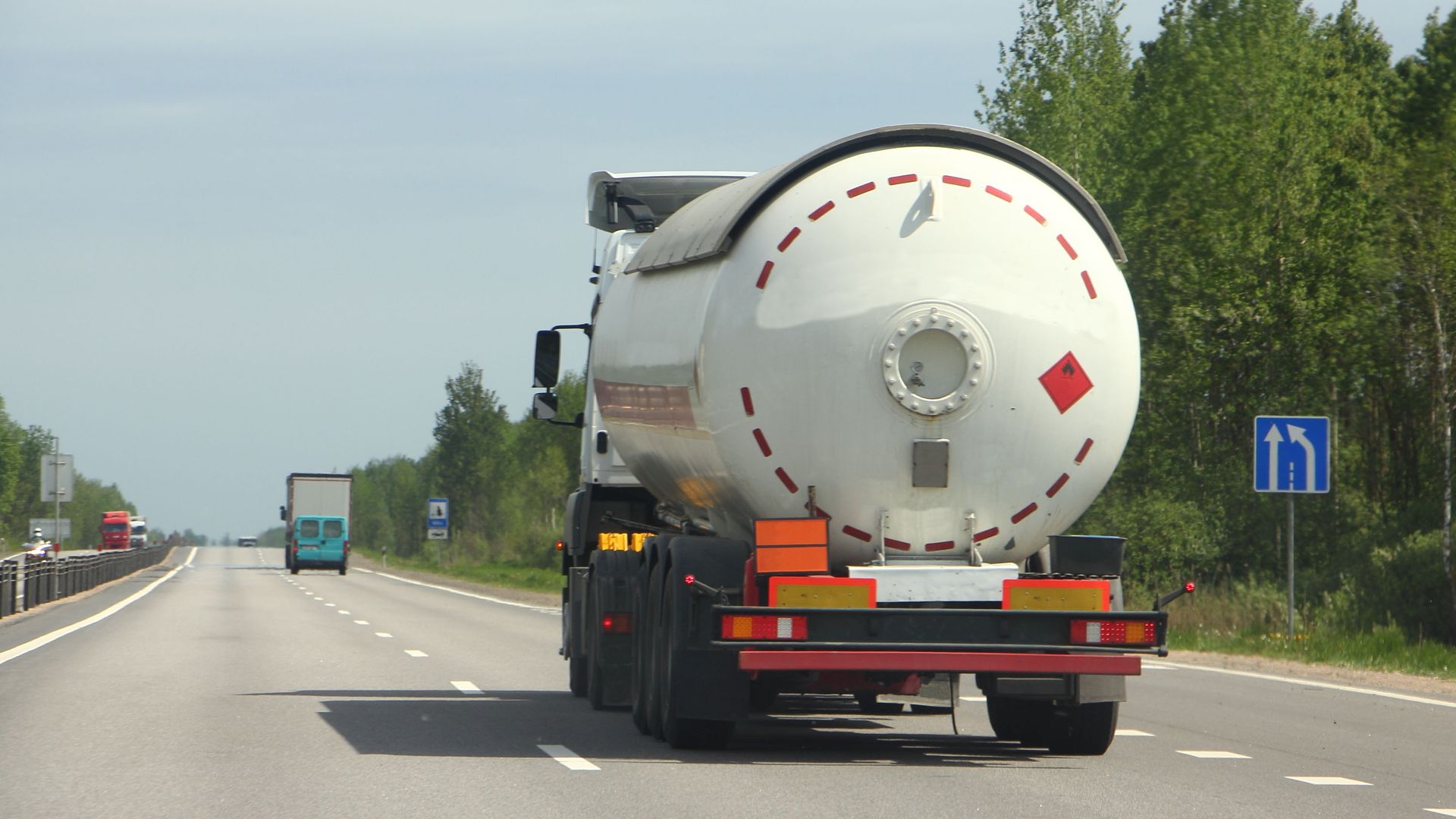
Preparing for extreme or unpredictable weather events requires maintaining a healthy reserve within your tank at all times. Severe winter storms, ice hazards, and heavy snowfall can block roads and delay supply trucks, particularly in rural or isolated neighborhoods. By ordering fuel early and maintaining higher tank levels during high-risk weather windows, you safeguard your household against transport disruptions and maintain a warm, safe living space.
Managing Market Fluctuations and Costs
Fuel prices fluctuate continuously based on global production levels, geopolitical events, economic indicators, and localized seasonal demand. Monitoring long-term price trends allows you to time orders strategically, taking advantage of lower market rates during off-peak seasons like late spring and summer. Purchasing fuel when overall demand is low can yield significant annual savings on your home heating bill while eliminating the stress of high seasonal prices.
Homeowners can also take advantage of structured payment options offered by established fuel distributors to stabilize their seasonal heating expenses. Options like fixed-price locks, cap-price programs, and monthly budget plans help protect household finances from sudden market spikes. Pre-buy fuel contracts also allow consumers to purchase their seasonal estimated gallons upfront during summer dips. Spreading expenses evenly across the year eliminates financial surprises during peak winter months and allows for far more predictable household budgeting.
Understanding broader economic factors such as inflation rates and supply chain logistics helps homeowners make smarter purchasing decisions. Partnering with a knowledgeable heating oil provider allows you to stay informed about upcoming market shifts and optimize your buying schedule accordingly, ensuring maximum energy efficiency and cost-effectiveness throughout the year.
Selecting a Dependable Heating Oil Provider
Choosing the right supplier involves researching local market reputations, service offerings, and transparent pricing structures. Look for a heating oil provider that offers emergency service options, automatic delivery programs, and clear contract terms without hidden fees. Evaluating customer feedback ensures you select a team known for punctuality and exceptional customer care during severe weather rushes when response times matter most.
Comparing comprehensive service packages is another critical step when choosing a supplier. Beyond standard fuel delivery, many top providers offer equipment maintenance, burner tune-ups, tank protection plans, and 24/7 emergency response services. Comprehensive service plans frequently include discount incentives on emergency replacement parts and labor fees. Selecting a full-service provider ensures that all components of your home heating system receive professional care under a single, reliable umbrella, extending the overall working life of your equipment.
Evaluating a company's commitment to transparent pricing and environmental responsibility provides long-term value for homeowners. Dependable suppliers clearly outline delivery fees, fuel costs, and payment plan options while offering cleaner-burning fuel blends that reduce household emissions. Partnering with a customer-focused company guarantees consistent deliveries, superior service, and maximum energy efficiency.
Maintaining Tank Health and Efficiency
Regular maintenance of your storage tank prevents operational breakdowns, internal corrosion, and fuel contamination. Annual professional inspections help identify signs of wear, such as rust or failing seals, early on. Taking care of small repairs quickly, maintaining clean lines, replacing fuel filters, and scheduling routine seasonal maintenance ensures safe, reliable operation for years to come.
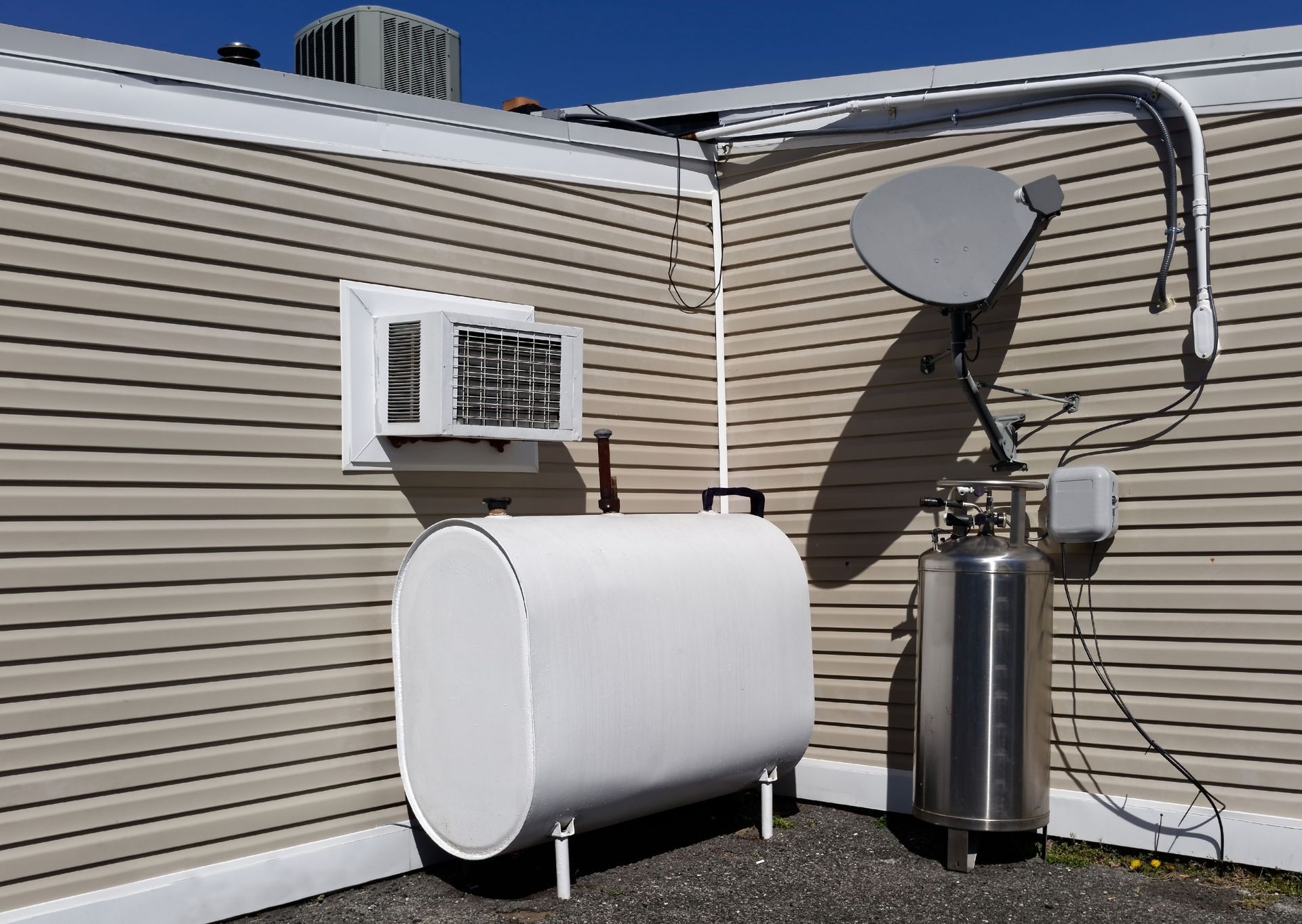
Practicing safe fuel storage involves protecting the structural integrity of your tank and keeping surrounding areas clear of hazards. Tanks should be inspected for structural stability, proper ventilation, and clear fill pipes to ensure safe transfer during deliveries. Ensuring proper tank leg stability and shielding fill pipes from roof runoff prevents moisture entry. Preventing debris accumulation around outdoor tanks minimizes the risk of physical damage, rust formation, and environmental contamination.
Proper seasonal system preparation guarantees reliable operation during the coldest days of the year. Replacing air filters, bleeding fuel lines, cleaning the burner assembly, and testing system controls before winter arrives enhances furnace efficiency and extends equipment life. A proactive maintenance routine keeps your system operating at peak performance and reduces overall fuel consumption.
Managing fuel deliveries efficiently requires tracking household usage patterns, preparing for regional weather events, and keeping your storage equipment in peak condition. Partnering with a trusted heating oil provider and utilizing automated delivery options gives you peace of mind throughout the season. Proper planning keeps your home safe, warm, and energy-efficient year-round. For more information about the services that we offer, reach out to our incredible team at Al's Oil Service today!