November 10, 2026
There's never a good time to run out of heating oil, but it always seems to happen at the worst possible moment. Maybe it's the middle of a January cold snap, a holiday weekend, or late at night when the house is already feeling chilly. Suddenly, the furnace stops, the radiators go cold, and you're left wondering how quickly you can get heat back. Below, we'll explain what happens when your heating oil runs out, the problems it can cause for your home and system, and how emergency oil delivery can help you get back to comfort.
Losing Heat Fast in Cold Weather
The most immediate effect of running out of oil is that your heat shuts off. In Central Massachusetts, winter temperatures can drop well below freezing, and a home without heat can cool down surprisingly fast. Older homes with drafty windows or limited insulation may lose warmth even more quickly. Within a few hours, rooms can become uncomfortable, especially for young children, older family members, and pets. If your home also relies on oil for hot water, you may lose that as well. The longer the system stays off, the harder it becomes to keep your family safe and comfortable. That's why it helps to have a plan in place before the coldest weather arrives.
Risking Frozen and Burst Pipes
When the heat goes out for an extended period, your plumbing becomes vulnerable. Pipes in exterior walls, crawl spaces, basements, and garages are especially at risk of freezing when indoor temperatures drop. As water freezes, it expands and can crack or burst pipes. Once temperatures rise again, those breaks can release water into walls, ceilings, and floors, causing costly damage. Repairs to plumbing and water-damaged areas can quickly add up to far more than the cost of a tank of oil. Getting heat restored quickly is one of the best ways to protect your pipes during a cold snap. Knowing where your main water shutoff is located can also help limit damage if a pipe does break.
Pulling Sludge Into the System
Over time, sediment and sludge can settle at the bottom of an oil tank. When the tank runs very low or empty, the system may draw some of that debris into the fuel line. This can clog the oil filter, fuel line, or burner nozzle and prevent your system from restarting even after new oil is delivered. In some cases, a service technician may need to clean or replace parts before the heat comes back on. Keeping your tank from running empty helps reduce the chance of these problems. It also helps protect the long-term health of your heating equipment.
Needing a System Restart
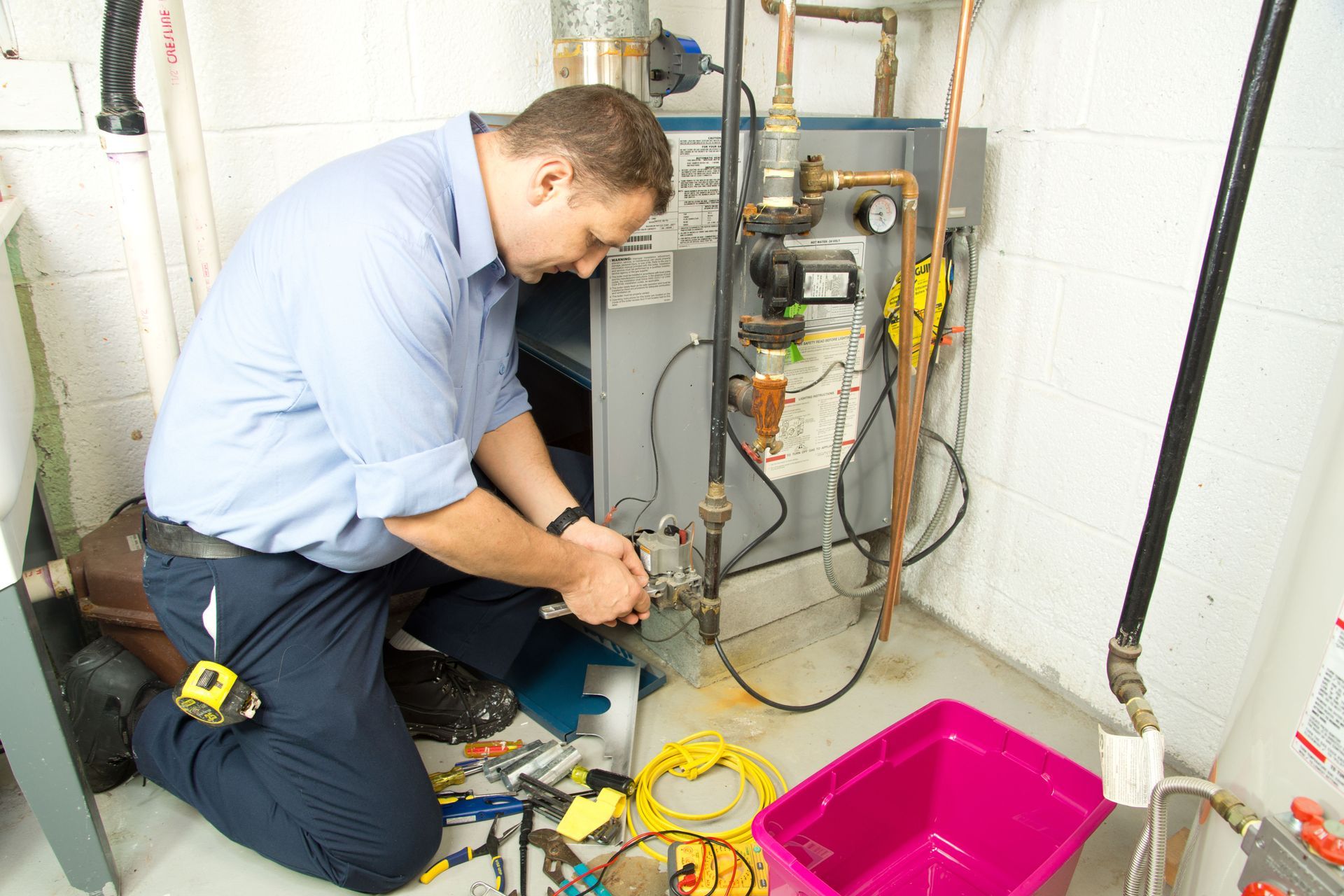
Refilling the tank doesn't always mean your heat will come right back on. When a tank runs dry, air can enter the fuel lines, which may stop the burner from firing properly. The system may need to be primed or bled to remove that air before it can run again. Some burners can also go into a lockout mode after failing to ignite several times. For safety, it's best to let a trained technician handle restarts rather than repeatedly pressing the reset button. A professional can get your system running safely and check for any issues caused by running out of fuel.
Putting Extra Stress on an Aging Furnace
Running out of oil can be especially hard on older equipment. According to HomeGuide, oil-fired furnaces are common in colder climates and typically last 15 to 25 years. As systems age, components like filters, pumps, and nozzles can become more sensitive to sludge, air in the lines, and repeated restart attempts. An older furnace that runs dry may be more likely to need repairs before it can operate normally again. Regular maintenance and steady fuel levels can help an aging system keep running reliably through the season. If your furnace is near the end of its expected lifespan, it may be worth discussing upgrade options as well. A professional inspection can help you decide whether repairs or replacement make the most sense for your home.
Calling for Fuel Right Away
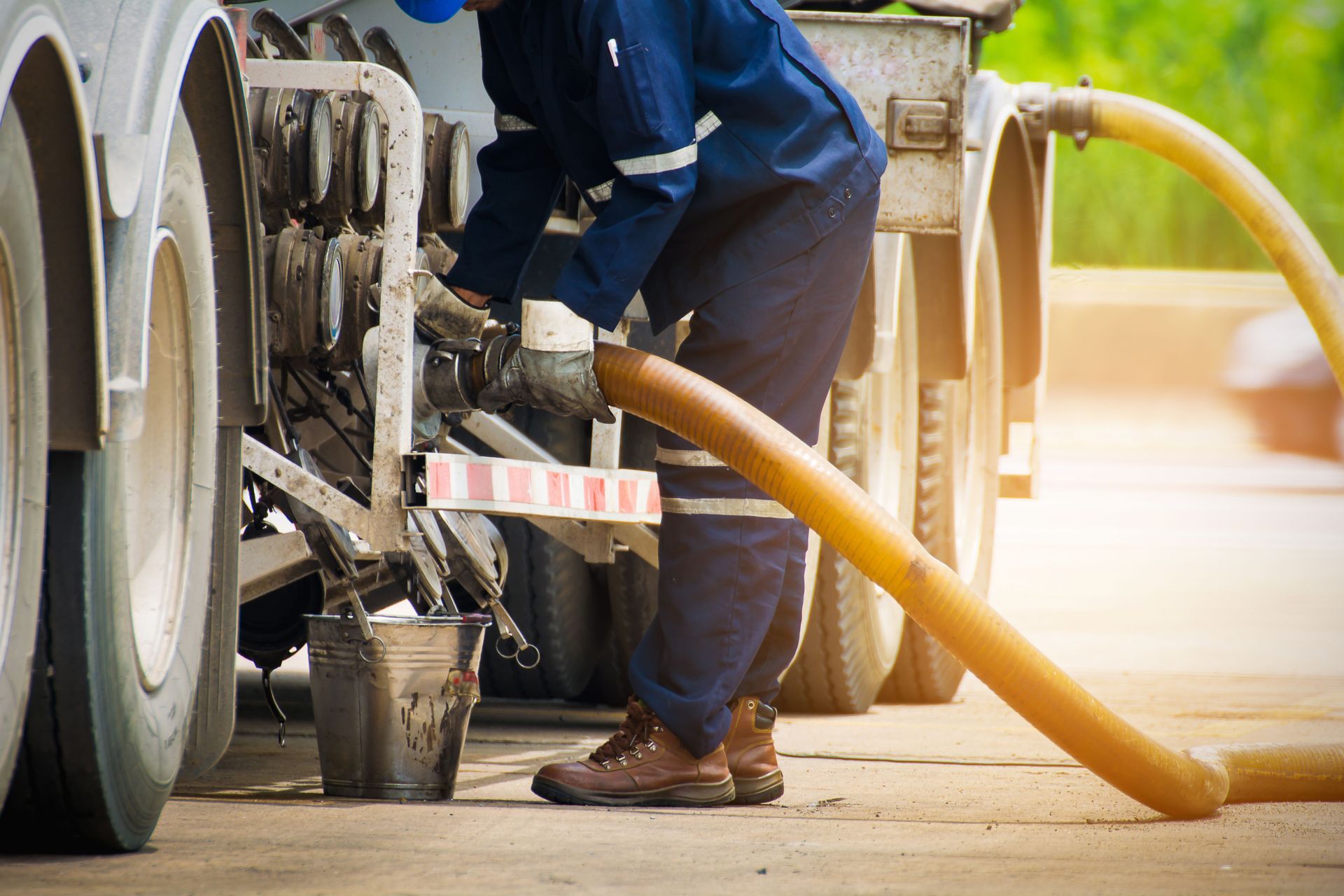
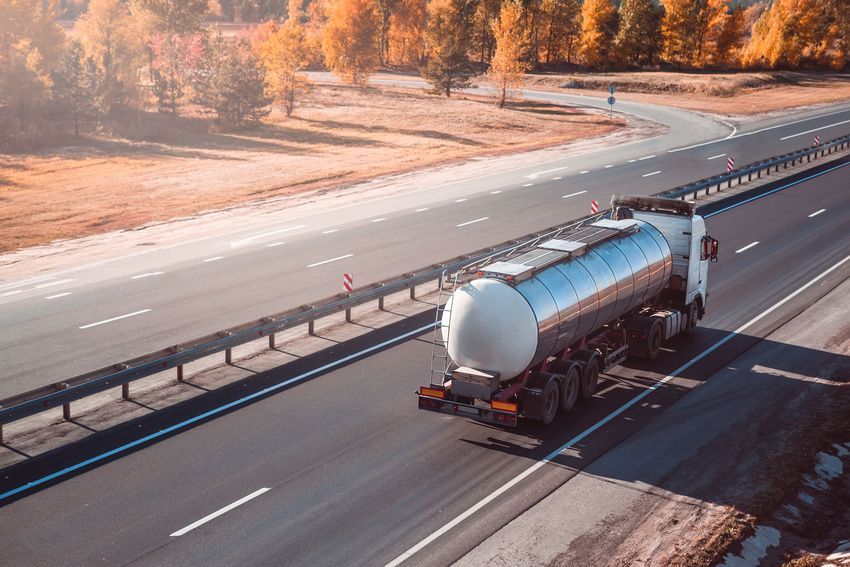
If you realize your tank is empty, the most important step is to call for help as soon as possible. Emergency oil delivery can get fuel to your home quickly so you can start restoring heat. When you call, let the team know that you're completely out of oil and whether your system has tried to restart. This information helps them prepare for any service your system may need after the delivery. Acting quickly can help prevent frozen pipes and other damage. Having a trusted provider's number saved in your phone can save valuable time when every hour counts.
Keeping Your Family Safe Until Heat Returns
While you wait for emergency oil delivery, take steps to stay warm safely. Close doors to unused rooms, keep curtains closed, and gather in one area of the home to conserve heat. Dress in layers and use extra blankets. If you use portable space heaters, follow the manufacturer's safety instructions and keep them away from anything flammable. Never use an oven, stove, or outdoor grill to heat your home, since these can create dangerous carbon monoxide buildup. It's also a good time to check that your carbon monoxide detectors are working properly. Letting faucets drip slightly may also help reduce the risk of frozen pipes.
Avoiding Run-Outs With Automatic Delivery
The easiest way to avoid running out of oil is to let your provider keep track for you. With automatic delivery, your usage is monitored based on factors like weather and past consumption, and deliveries are scheduled before you run low. That means no more checking the gauge on cold mornings or worrying about forgetting to call. Automatic delivery can give you peace of mind throughout the heating season, especially during busy holidays or stretches of extreme cold. It also reduces the chances that you'll ever need emergency oil delivery in the first place. Many customers find it to be the most convenient option for staying warm all winter.
Watching Your Tank Gauge
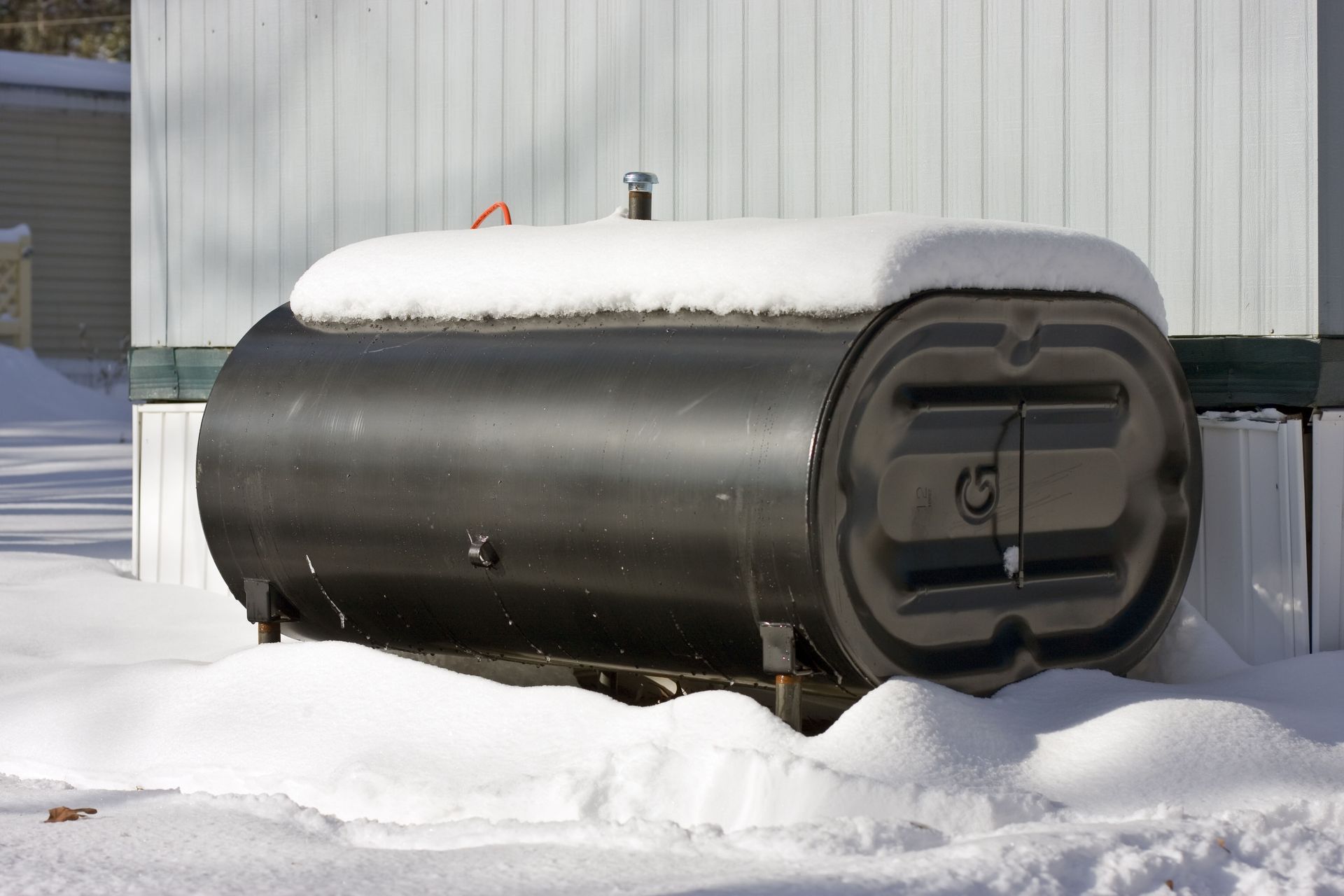
If you prefer to order oil yourself, keeping an eye on your tank gauge is essential. Many homeowners find it helpful to schedule a delivery once the tank reaches about a quarter full, giving plenty of time before it runs low. Usage often increases during cold spells, so it's smart to check more often when temperatures drop. Planning ahead around holidays and major storms can also help you avoid delays. Keeping a regular routine for checking your tank helps you stay in control of your heating oil supply. A little attention now can save you from a stressful emergency oil delivery later.
At Al's Oil Service, we're a locally owned, family-operated company proudly serving Shrewsbury and homeowners throughout Worcester County. We offer heating oil delivery, 24-hour
emergency oil delivery, automatic delivery with a discount for enrolled customers, and budget and prepayment plans to help you manage costs. Our HAZMAT-trained team also provides heating system maintenance, repairs, and new tank installations, along with free estimates. Whether you need fuel fast or want to avoid running out again, we're here to help. Contact Al's Oil Service today to schedule your delivery or learn more about automatic delivery.