November 9, 2026
Keeping an oil-fired heating system in good condition involves more than ordering fuel when the tank runs low. Regular maintenance, appropriate tank care, and a dependable delivery schedule all contribute to consistent home heating. Working with a heating oil provider that also offers heating system maintenance and repairs can help homeowners manage fuel needs and equipment care throughout the colder months.
Heating oil does not need to be replaced on a routine schedule simply because it has been in the tank for a while. Instead, homeowners should focus on maintaining the tank, monitoring fuel levels, and arranging professional service when needed. These practical steps can help reduce avoidable disruptions and keep a heating system ready for seasonal demands.
Understanding the Importance of Furnace Maintenance
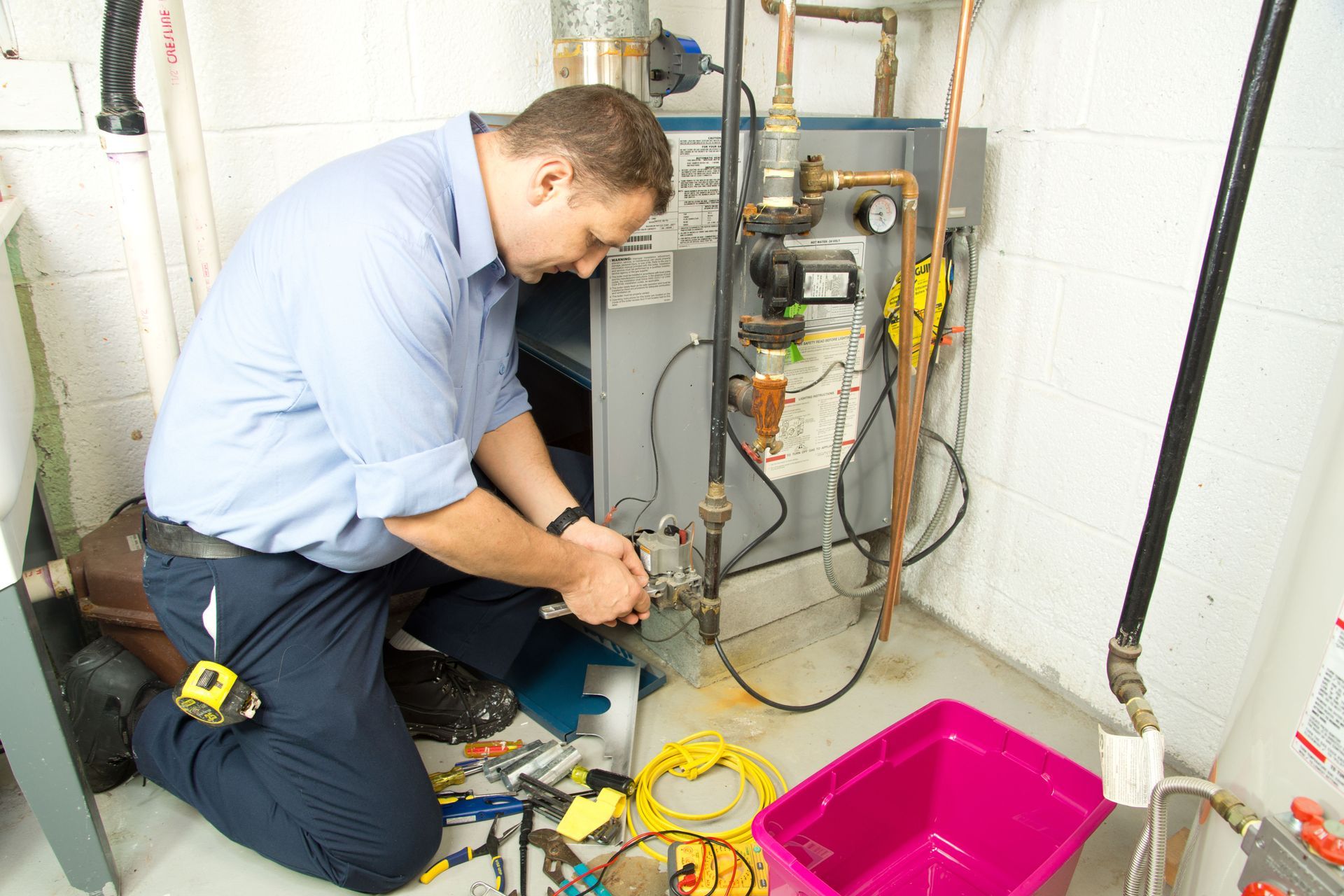
An oil furnace contains components that need periodic inspection and cleaning to operate properly. Soot, debris, and normal wear can affect burner performance over time, while neglected components may contribute to heating problems. Scheduling maintenance before the busiest part of winter gives a qualified technician an opportunity to identify concerns before the system is needed every day.
According to This Old House, an oil furnace should receive professional cleaning approximately every 12 months. Annual service gives a technician an opportunity to clean the burner and boiler components, inspect relevant controls, and identify issues that may need attention. Following a consistent maintenance schedule can support dependable operation and help homeowners plan for repairs instead of waiting for an unexpected loss of heat.
Managing Heating Oil Deliveries Before Winter
Monitoring fuel levels is an important part of preparing an oil-fired heating system for cold weather. If the tank runs low or becomes empty, the home may lose heat, and the burner may require service before it can operate again. Checking the gauge regularly and arranging deliveries before fuel levels become critical can help prevent avoidable interruptions.
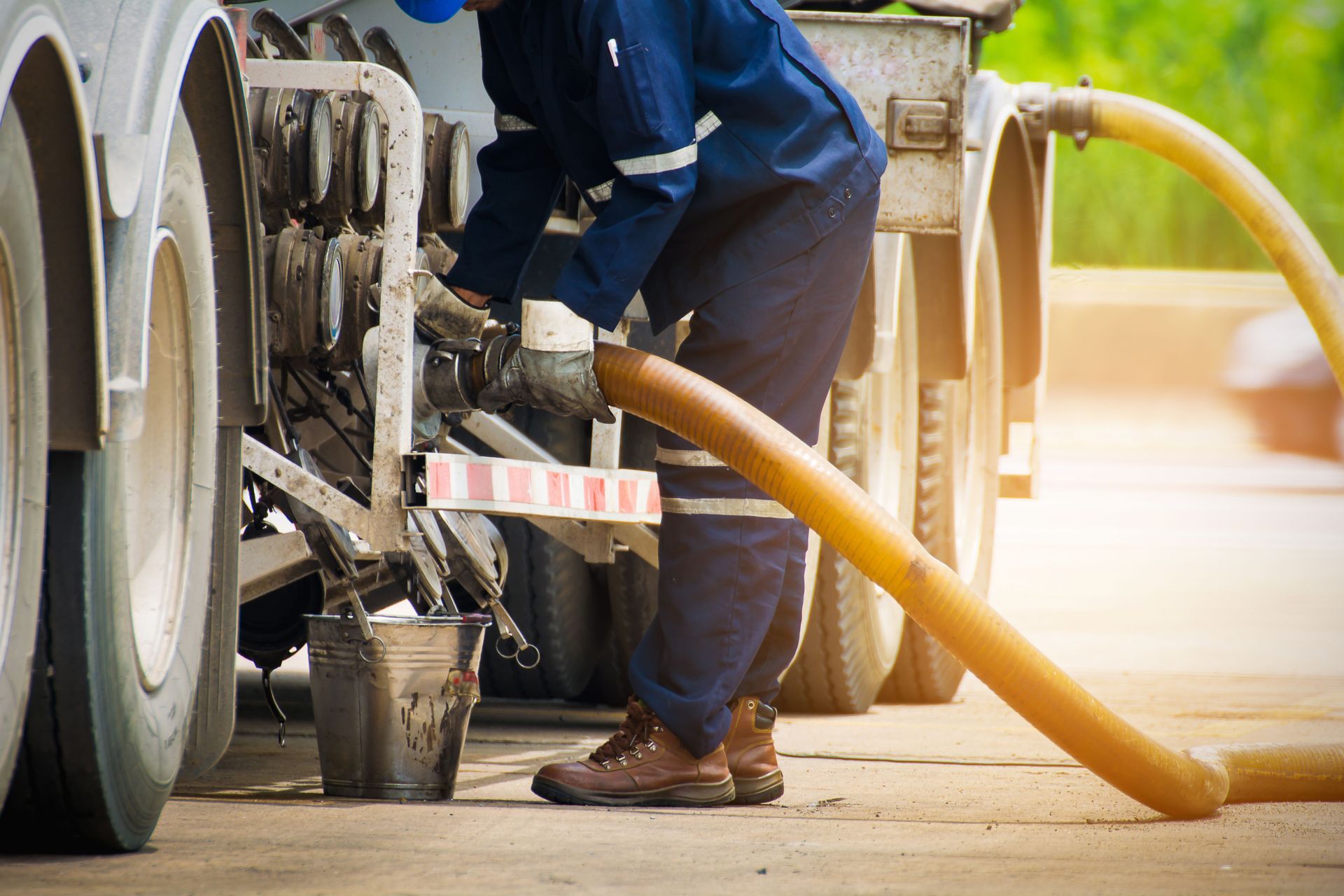
A heating oil provider may offer automatic delivery or scheduled ordering options to help households manage fuel needs. Delivery timing can depend on factors such as outdoor temperatures, household fuel use, and the size of the tank. Homeowners should ask about available delivery arrangements and place orders early during periods of high demand rather than assuming every delivery can be made immediately.
It is also useful to understand the supplier's standard delivery timeframe and emergency procedures. For example, some providers offer delivery within two business days, while emergency services may be available for urgent situations under specific conditions. Knowing these details ahead of time helps homeowners make informed decisions when their fuel supply is running low.
Choosing Delivery and Payment Options
Heating oil expenses can vary with household usage, weather conditions, and market prices. Reviewing available payment arrangements before the heating season begins can make it easier to plan for fuel costs. Some suppliers offer monthly budget plans that spread payments throughout the year, while fixed-price prepayment programs may provide another way to manage price uncertainty.
Homeowners should review the terms of each plan before enrolling, including how prices are determined, when payments are due, and whether restrictions apply. Automatic delivery programs may also include discounts, depending on the provider's policies. When comparing a heating oil provider, ask for clear details about delivery schedules, payment choices, minimum order requirements, and any additional charges that could affect the total cost.
Planning ahead is particularly helpful when temperatures drop and fuel demand increases. Keeping track of past usage can give homeowners a general idea of how quickly their tanks may need refilling, although actual consumption changes with weather and heating habits. A practical delivery plan, combined with regular fuel-level checks, can make winter heating easier to manage.
Protecting Heating Oil Tanks From Damage
The condition of the storage tank affects how safely and reliably heating oil can be stored. Homeowners should periodically look for visible rust, corrosion, damp areas, or other signs of damage around the tank and its connections. Any suspected leak or significant deterioration should be assessed promptly by a qualified professional rather than handled as a do-it-yourself repair.
Tank location and condition can also influence the risk of moisture entering the fuel supply. Water and sediment may accumulate in a tank over time, potentially affecting the fuel system and contributing to operating problems. If a homeowner notices unusual burner performance or suspects contamination, a technician can assess the system and recommend appropriate next steps.
Recognizing Signs of Heating System Problems
Changes in furnace performance can signal that the system needs attention. Warning signs may include repeated shutdowns, unusual burner noises, inconsistent indoor temperatures, or visible soot around the equipment. Although these symptoms do not all point to the same cause, ignoring persistent changes can leave a problem unresolved as colder weather approaches.
Homeowners can start by checking basic settings, such as the thermostat and the furnace's power supply, when it is safe to do so. However, burner adjustments, fuel-system repairs, and work involving safety controls should be left to qualified technicians. If the system continues to operate poorly or stops producing heat, arranging professional service is a more appropriate response than repeatedly restarting the equipment.
It is also helpful to know which services are available outside normal business hours. Some providers offer around-the-clock emergency assistance for urgent heating problems or fuel needs, although eligibility and additional charges may vary. Keeping service information accessible before an emergency occurs can help homeowners respond more quickly when the furnace stops working.
Improving Heating Efficiency Around the Home
Furnace maintenance is only one part of managing household heating use. Closing gaps around doors and windows, improving insulation where needed, and keeping vents unobstructed can help reduce unwanted heat loss. When less heat escapes from the home, the heating system may not need to run as frequently to maintain a comfortable indoor temperature.
Thermostat settings can also influence fuel consumption. Setting a comfortable temperature that suits the household's routine and reducing unnecessary heating when everyone is away may help control energy use. Programmable thermostats can make these adjustments easier, but homeowners should choose settings that maintain appropriate comfort and protect plumbing during freezing weather.
Combining sensible household habits with regular maintenance and planned deliveries can make heating needs more predictable. A heating oil provider that offers both fuel delivery and heating system services may help homeowners coordinate these responsibilities. It is still important to address equipment problems directly, because adjusting thermostat settings cannot resolve a dirty burner, damaged tank, or malfunctioning component.
Preparing for Seasonal Heating Needs
Before winter arrives, review the condition of the furnace, the storage tank, and the home's fuel supply. Arrange professional cleaning on an appropriate schedule, check the tank gauge regularly, and ask about delivery timing before the weather becomes severe. These steps can help homeowners identify maintenance needs and avoid relying on last-minute arrangements during peak demand.
It is also worth keeping records of service visits, repairs, fuel deliveries, and unusual changes in furnace operation. These notes can help homeowners recognize recurring issues and provide useful information when speaking with a technician. If the heating system is older or has required repeated repairs, ask a qualified professional whether continued maintenance or future equipment replacement deserves consideration.
Reliable home heating depends on several factors working together, including fuel availability, equipment condition, and timely professional service. Planning ahead can reduce the likelihood of avoidable interruptions and help homeowners understand which services are available when needs change. For heating oil delivery, maintenance, repairs, tank installation, or emergency assistance in Worcester County and surrounding Central Massachusetts communities, contact Al's Oil Service to discuss your home's heating needs and available options.