August 8, 2026
When the temperature drops and winter approaches, homeowners rely heavily on a dependable source of warmth to keep their families comfortable and safe throughout the season. For millions of people, this comfort is entirely dependent on the seamless operation of energy distribution networks that stretch across the country. While you might only think about checking your tank levels and making a quick phone call when supplies get low, the reality of getting that vital fuel to your doorstep is far more complex. The entire process is heavily influenced by where you happen to live. The physical landscape, local weather patterns, and the overall layout of your region play a massive role in shaping both the accessibility and the cost of keeping your home heated. If you have ever wondered why prices fluctuate or why scheduling can sometimes be challenging during peak seasons, the answers often lie right outside your window. The logistics of residential oil delivery are deeply intertwined with geography, and understanding this relationship can help homeowners better prepare for the winter months ahead.
Understanding Regional Demand Variations
The layout of the country creates stark contrasts in how different communities heat their living spaces. In some areas, natural gas pipelines form a vast underground web, while other regions depend almost entirely on fuel brought in by trucks. This creates highly concentrated pockets of demand that dictate where suppliers focus their infrastructure and resources. Because certain parts of the country experience much colder temperatures and lack expansive alternative energy grids, they become the primary market for heating fuels. In fact, according to the USEIA, 82% of households using heating oil are located in the Northeast United States. This staggering concentration means that the bulk of the industry’s storage facilities, distribution networks, and transport fleets are heavily clustered in this specific geographic area. When you live in a region with such high demand, the sheer volume of fuel moving through the area can sometimes lead to more competitive pricing due to the density of suppliers. However, it also means that during widespread cold snaps, the system can become strained as everyone rushes to refill their tanks at the exact same time. The geographical concentration of demand fundamentally shapes the infrastructure and efficiency of residential oil delivery across the nation.
Navigating Terrain and Transportation Obstacles
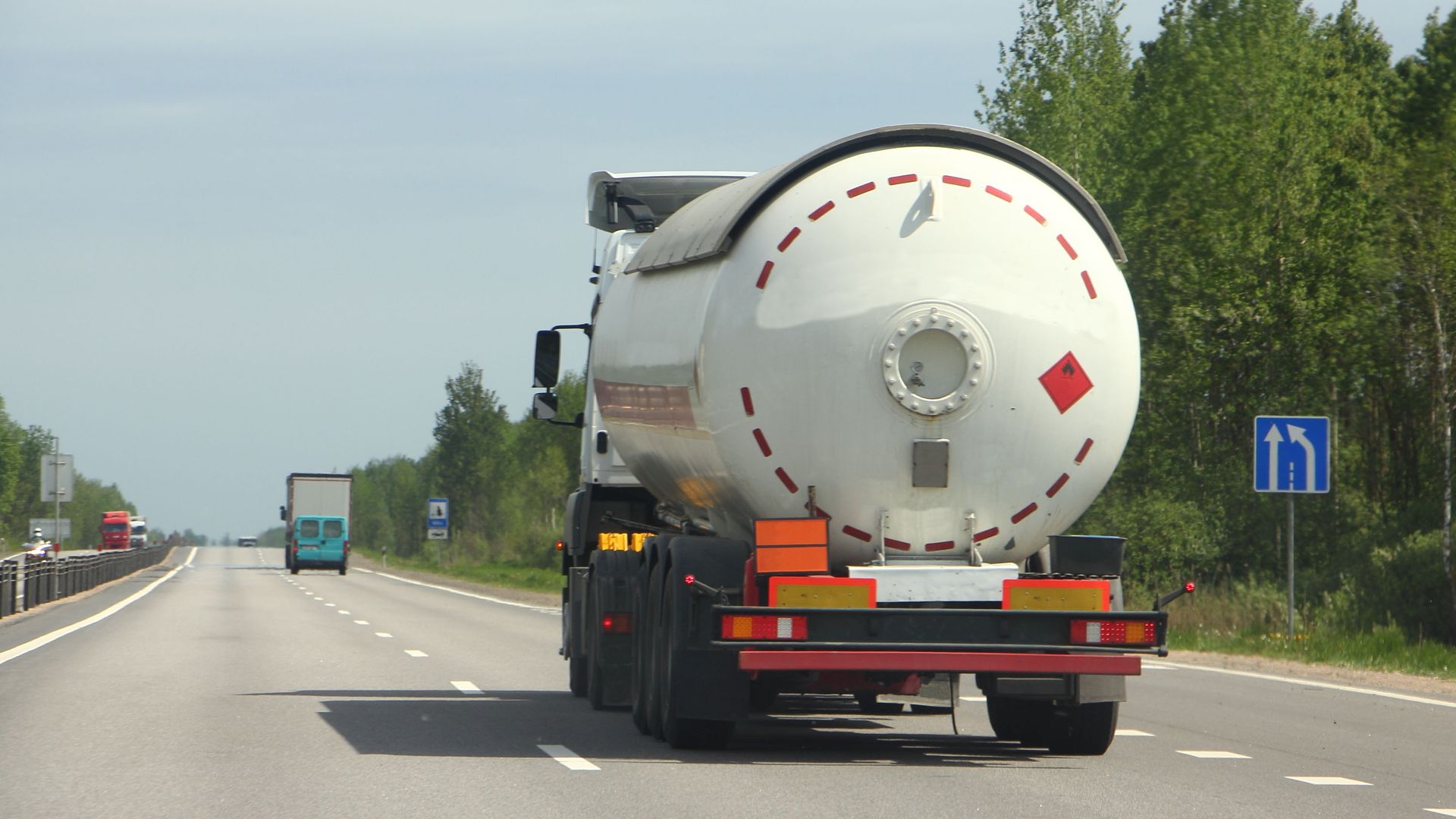
Beyond simply looking at regions on a map, the actual physical topography of your local area significantly impacts how fuel reaches your property. Trucks carrying thousands of gallons of liquid are heavy, cumbersome, and require well-maintained routes to operate safely. If your home is nestled high in a mountainous region, accessible only by steep, winding, and unpaved roads, the logistical challenge increases exponentially. These geographical features force suppliers to use specialized vehicles and require drivers to take extra time to navigate hazardous routes safely. Consequently, this increased time and risk often translate into higher transportation costs for the consumer. Conversely, homes located in flat, densely populated suburban areas with wide, paved avenues present far fewer obstacles. Drivers can complete their routes much faster, moving from one neighborhood to the next with relative ease. Coastal communities, rural farm stretches, and isolated valleys all present unique challenges that companies must plan for when mapping out their dispatch schedules. Ultimately, the physical terrain surrounding a home is a defining factor in how efficiently and affordably a company can execute a residential oil delivery.
Evaluating Proximity to Major Supply Hubs
Another crucial geographical element that heavily influences fuel pricing and availability is a home’s proximity to major distribution terminals and refineries. Before fuel ever reaches a neighborhood, it must be transported from large coastal ports or inland refineries to localized storage facilities. The farther a community is from these primary entry points, the longer the supply chain becomes. Every additional mile that the fuel must travel adds to the overarching cost of transportation, which is eventually reflected in the price paid by the homeowner. Communities situated right next to deep-water ports or massive regional storage tanks benefit from incredibly short transit times. In these geographically favored locations, suppliers spend less money on fleet maintenance and fuel for their own trucks, allowing them to offer more competitive rates. On the other hand, remote inland communities may require multiple transport stages, involving trains, massive tanker trucks, and finally, smaller local fleet vehicles. The extended journey not only drives up costs but also introduces more opportunities for delays caused by traffic, infrastructure issues, or bad weather. Being situated far from a distribution hub can make scheduling a timely residential oil delivery a bit more complicated during high-demand periods.
Assessing Local Climate and Weather Patterns
While terrain and distance dictate the physical path of transport, the local climate drives the sheer urgency and frequency of the trips. Geography heavily dictates regional weather patterns, which in turn dictate exactly how much fuel a household will burn through a season. Areas located further north or at higher elevations experience significantly longer and more brutal winters, meaning residents will need their tanks topped off far more frequently. This constant geographical need requires suppliers to maintain massive local reserves to prevent shortages when the temperatures plummet unexpectedly. Furthermore, the weather patterns inherent to a specific geography can actively impede the delivery process itself. Heavy snowfall, ice storms, and coastal flooding can render roads completely impassable for heavy commercial vehicles. When a severe winter storm hits a region, it can create a backlog of orders while simultaneously making it dangerous or impossible for trucks to reach their destinations. Suppliers have to carefully monitor geographical weather forecasts to preemptively route their fleets and ensure customers are not left freezing. The unique meteorological challenges of a given area are a massive variable in the reliability of any residential oil delivery service.
Adapting to Market and Infrastructural Needs
The final way geography impacts this industry involves the local economic and infrastructural environment built upon that geography. Different states, counties, and municipalities have vastly different regulations regarding fuel storage, transportation safety, and environmental protections. A geographical region with incredibly strict environmental oversight might require suppliers to invest heavily in upgraded, low-emission fleets and specialized storage tanks. These regulatory expenses, tied specifically to the geography of the operating area, are factored into the baseline cost of operations. Additionally, the quality of local infrastructure, such as the condition of bridges and highways, plays a massive role. A region suffering from poorly maintained roads will cause increased wear and tear on delivery vehicles, raising maintenance costs for the supplier. Geography also dictates market competition; densely populated areas tend to attract multiple competing companies, which can drive prices down and improve customer service. In sparsely populated rural geographies, a single company might be the only option for miles around, completely altering the market dynamics. Understanding these localized infrastructural and economic conditions is essential to grasping the full scope of the residential oil delivery business.
The journey of heating fuel from a storage terminal to a household tank is a complex process dictated by the landscape, weather, and local infrastructure. From the steep incline of a mountain road to the sweeping cold fronts of a northern winter, geographical factors are constantly shaping how, when, and at what price you receive your fuel. Being aware of how your specific location impacts these logistical hurdles allows you to plan better, order ahead of severe weather, and maintain a warm, comfortable living space all season long. Finding a reliable partner who understands the unique geography of your neighborhood is the best way to ensure you never run out of fuel when you need it most. To guarantee your home stays thoroughly heated and to schedule your next residential oil delivery, call Al's Oil Service today to learn more about our dependable scheduling options.