July 16, 2026
Most homeowners rely on their heating system every single day during the colder months without giving much thought to how it actually works behind the walls and beneath the floors. Understanding the basic infrastructure of your home's heating system gives you the knowledge to recognize problems early, communicate clearly with service professionals, and make better decisions about maintenance and fuel management. Summer is actually the ideal time for Worcester County homeowners to learn more about their heating setup, since the off-season provides a calm window to evaluate the system before demand picks up again in the fall. This overview walks through the key components of an oil-heated home and explains how they all work together to keep your household comfortable.
Understanding the Role of Fuel Supply in the Heating Chain
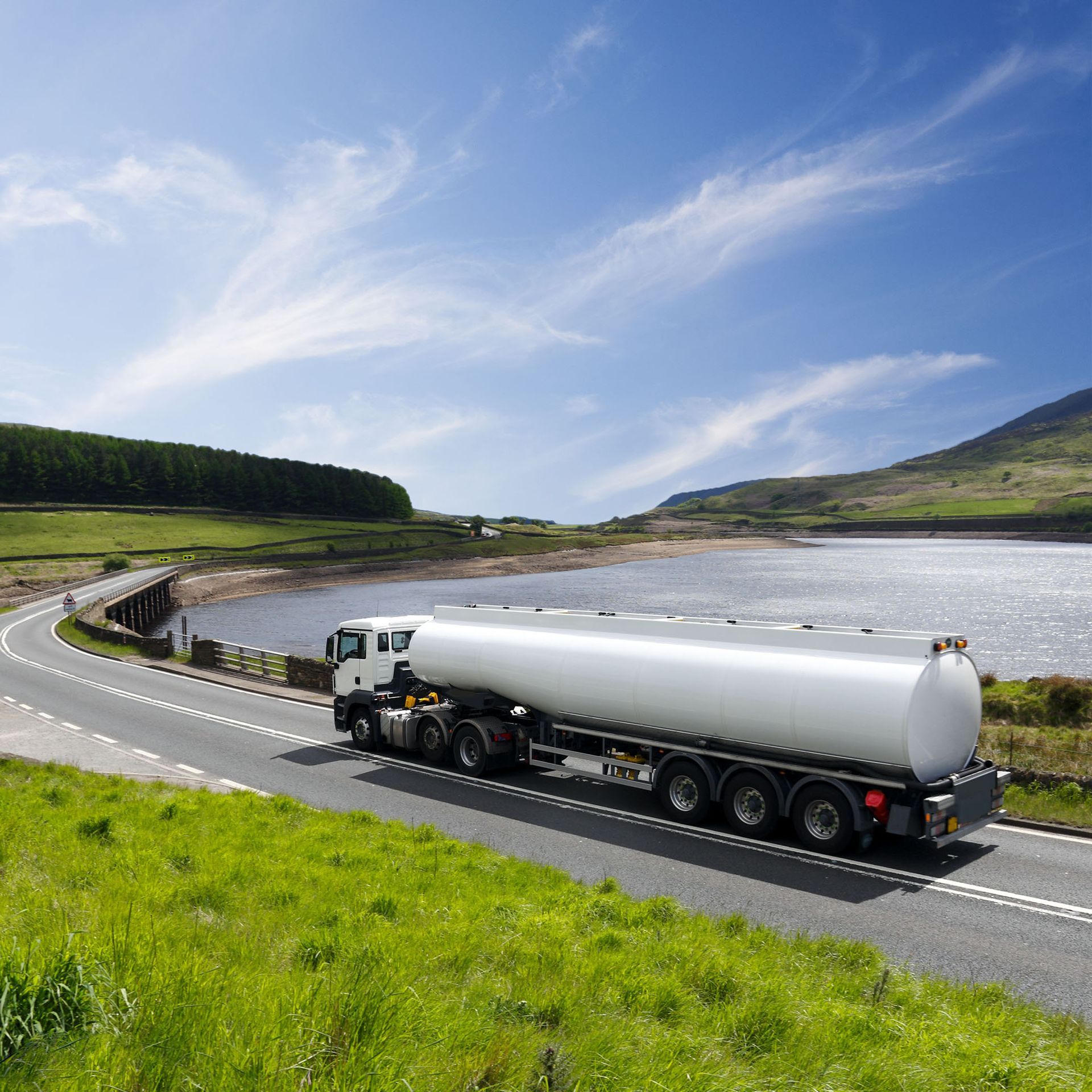
According to the USEIA, in the United States, an estimated five million households utilized heating oil, which reflects the significant and sustained role that this fuel source plays in keeping homes warm across the Northeast and beyond. Oil delivery services are the starting point of the entire heating chain, because no component of the system can function without a consistent and reliable supply of fuel reaching the home. Understanding how your fuel supply is managed, whether through automatic delivery or on-demand ordering, is the most foundational aspect of maintaining a home that stays warm without interruption throughout the colder months of the year. Choosing a delivery provider with guaranteed two-business-day delivery and 24-hour emergency coverage ensures that fuel supply never becomes the weak link in your home's heating infrastructure.
Knowing the Function and Importance of the Storage Tank
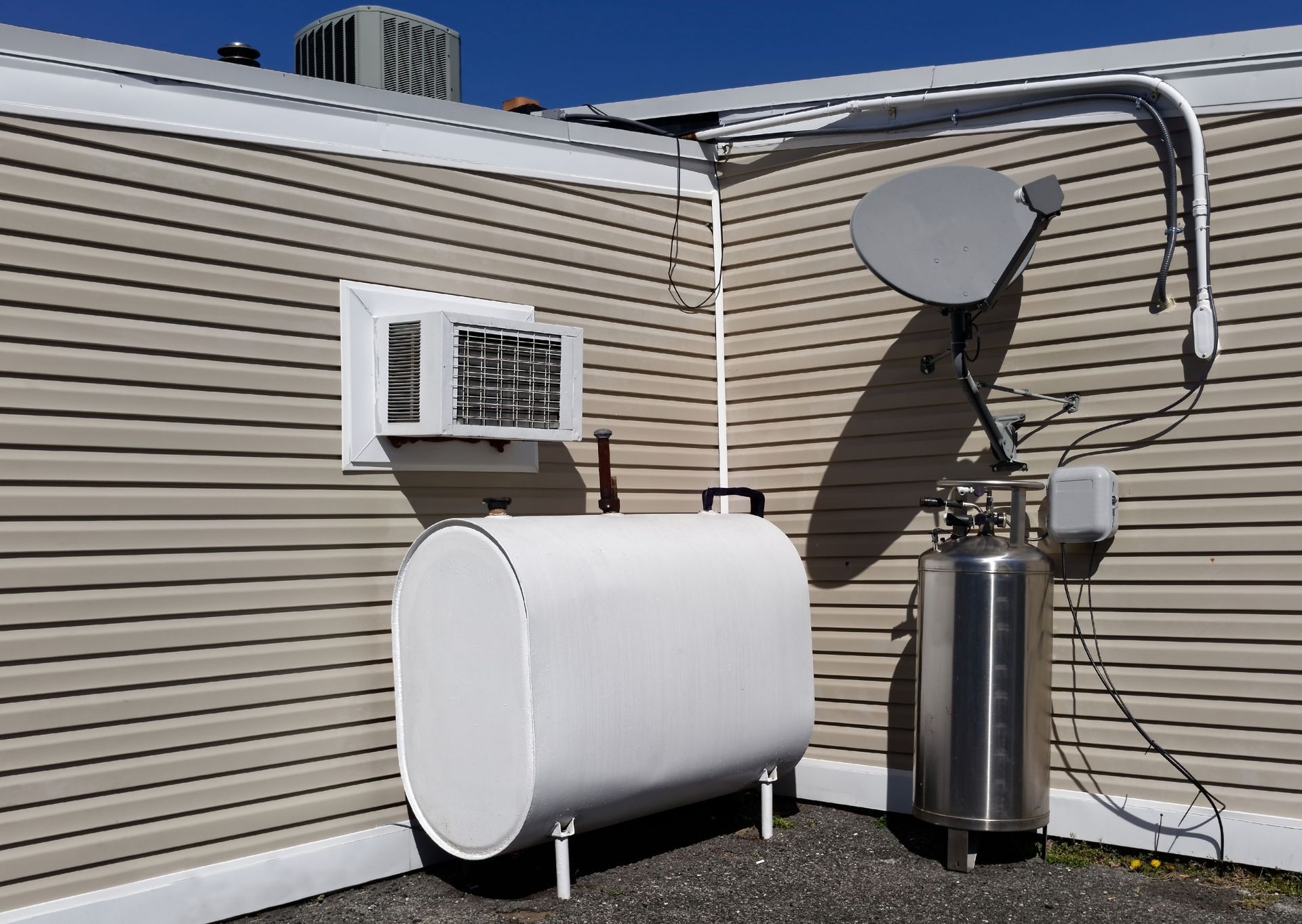
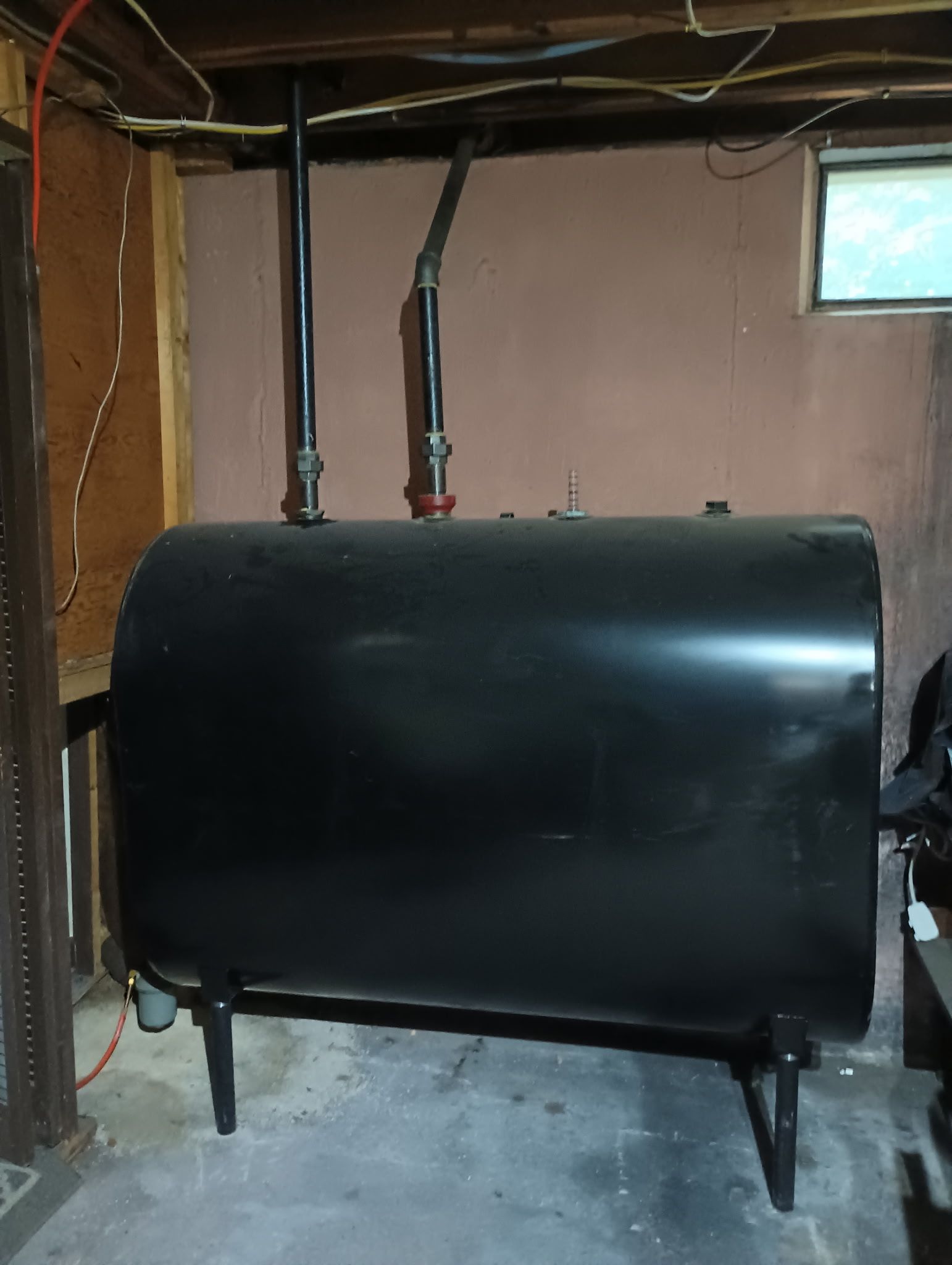
The oil tank is the central storage component of any oil-heated home and is typically located in the basement, garage, or buried outside, depending on the age and layout of the property. Oil delivery services replenish this tank on a schedule that accounts for the household's usage patterns, and homeowners should always aim to keep the tank above one-quarter full to prevent the sediment at the bottom from being drawn into the heating system. A new tank installation with a manufacturer warranty provides peace of mind that the storage component is in good structural condition and will not develop leaks or integrity issues that could compromise both safety and fuel availability. Knowing the capacity and current fill level of your tank gives you the information you need to stay ahead of your fuel needs before colder weather arrives.
Maintaining the Fuel Line That Connects Supply to Function
The fuel line connects the storage tank to the burner unit inside the heating system, and its condition is a critical but often overlooked factor in how smoothly the system operates throughout the heating season. Oil delivery services deliver fuel that travels through this line when the burner calls for it, and any restriction, crack, or blockage in this pathway can cause the system to underperform or shut down entirely at the worst possible moment. Routine inspections by a qualified technician identify wear, corrosion, or improper fittings that could compromise fuel flow before they become operational failures that require emergency repairs on a cold winter day. Keeping this component in good working order is part of the overall service maintenance that protects the entire heating system from preventable breakdowns.
Understanding the Burner and How It Converts Fuel Into Heat
The burner is the component that actually converts the fuel into heat by igniting the oil and directing the combustion into the heat exchanger inside the boiler or furnace. Oil delivery services ensure the burner always has the fuel it needs to operate, but the burner itself requires periodic tuning and cleaning to maintain its efficiency and combustion quality over time. A dirty or misadjusted burner wastes fuel, produces excess emissions, and places unnecessary strain on every other component in the heating chain that depends on it for reliable heat generation. Annual burner maintenance performed by a skilled technician keeps combustion clean, efficient, and safe throughout the full heating season.
Recognizing the Central Role of the Boiler or Furnace
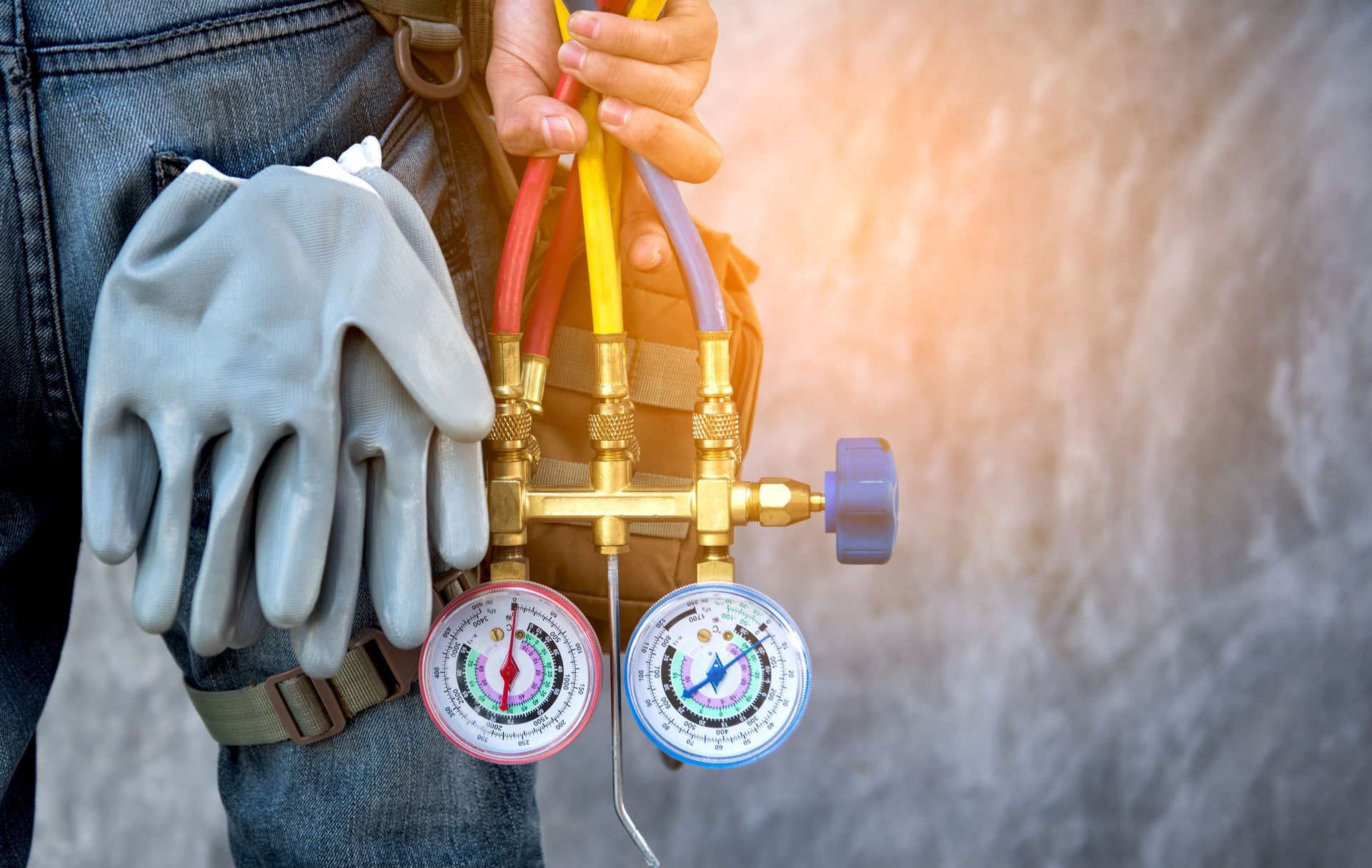
The boiler or furnace is the central heat-generating unit that transforms the combustion energy from the burner into the form of heat that is ultimately distributed throughout the home. Oil delivery services keep this unit supplied with fuel, while regular maintenance and service contracts keep the mechanical components of the boiler or furnace in the condition needed to operate reliably under the continuous demand that a New England heating season places on the equipment. Boilers heat water that circulates through radiators or radiant floor systems, while furnaces heat air that is distributed through ductwork, and both require different maintenance protocols that a qualified HVAC technician understands and addresses during a routine service visit. Understanding which type of system your home uses is the first step toward knowing what maintenance it needs and when that maintenance should be scheduled relative to the start of the heating season.
Evaluating the Distribution System That Delivers Warmth to Every Room
The distribution system carries the heat produced by the boiler or furnace to every room in the house, whether through hot water radiators, baseboard heaters, or forced-air ductwork depending on the specific system type installed in the home. Oil delivery services provide the fuel that powers the entire distribution system from the first step, but the pipes, radiators, or ducts that carry heat throughout the home require their own periodic inspection to confirm they are functioning without leaks, blockages, or heat loss that reduces efficiency. Radiator systems may develop air pockets that need to be bled periodically to restore proper water circulation, while duct systems may develop gaps or disconnections that allow conditioned air to escape before it reaches the intended living space. Addressing these distribution inefficiencies is often one of the most cost-effective improvements a Worcester County homeowner can make to reduce fuel consumption without changing the core heating equipment.
Optimizing Comfort Through the Thermostat and Control System
The thermostat and controls govern when the heating system activates and what temperature the home maintains, and an improperly calibrated or outdated thermostat can cause the system to work harder than necessary or fail to maintain consistent comfort throughout the home. Oil delivery services supply the fuel that the thermostat calls for, but a programmable or smart thermostat that adjusts the heating schedule to match actual occupancy patterns can meaningfully reduce how much fuel is needed to maintain the household's comfort level. Upgrading to a more precise control system is one of the lowest-cost interventions available for improving a heating system's efficiency, often producing noticeable savings that reduce the volume of fuel needed over the course of a full heating season. Pairing a well-calibrated control system with a reliable fuel supply and a well-maintained mechanical system gives the home the most complete and most efficient heating infrastructure available.
Understanding your home's heating infrastructure from the fuel tank through the distribution system gives you a meaningful advantage in managing the comfort, efficiency, and reliability of one of your home's most important operating systems throughout the year. Al's Oil Service has proudly served homeowners throughout Worcester County, MA including Shrewsbury, Boylston, Northborough, and surrounding communities since 1969, offering
oil delivery services, HVAC system services, new tank installations, service contracts, and payment plan options, all backed by 24-hour emergency service, free estimates, delivery within two business days, automatic delivery discounts, over 60 years of family-owned experience, and HAZMAT and emergency response trained staff. For more information, contact us today!