April 28, 2026
When temperatures drop unexpectedly or a household runs low on fuel, the ability to respond quickly becomes essential. Professional oil delivery companies rely on coordinated planning, trained personnel, and flexible service models to ensure homes remain warm and functional even in urgent situations. These operations are built on preparedness, with teams anticipating demand spikes and maintaining readiness to act at a moment's notice. Understanding the logistics behind emergency oil delivery requires a close look at how experienced providers manage supply, timing, and customer needs under pressure.
Unlike routine deliveries, emergency requests demand rapid coordination across multiple operational layers. From dispatching drivers to routing trucks efficiently, every step must align to meet tight timeframes. These services are designed to minimize disruption, restore heating quickly, and provide reassurance during stressful circumstances. By combining preparation with responsive service, providers make it possible to maintain comfort even when conditions are unpredictable, ensuring households are not left vulnerable during critical moments.
Coordinating Supply and Demand in Critical Situations
Understanding Seasonal Demand Fluctuations
Emergency oil supply services operate within a highly seasonal industry where demand can shift dramatically. During colder months, usage increases significantly, and unexpected cold snaps can push demand beyond typical projections. Companies must anticipate these fluctuations well in advance by monitoring historical usage patterns, weather forecasts, and customer trends.
Maintaining sufficient inventory is a critical component of this process. Storage facilities are stocked strategically to ensure fuel availability during peak periods, allowing providers to respond to both scheduled and urgent requests without delay. This level of preparation reduces the risk of shortages and supports consistent service delivery when customers need it most.
Managing Inventory and Distribution Networks
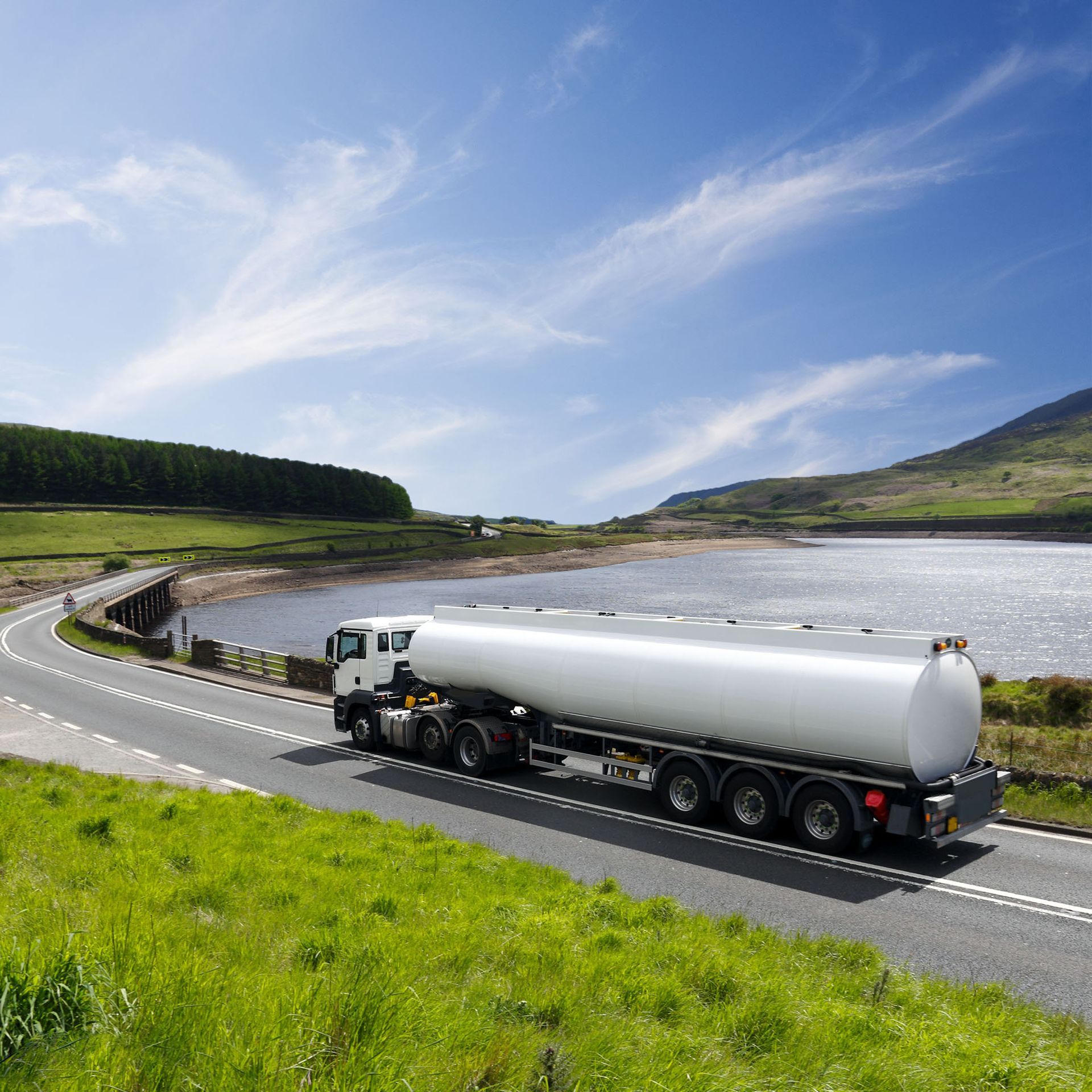
Behind every emergency oil delivery is a carefully managed distribution network. Fuel must be transported from refineries to storage terminals and then to delivery trucks, all while maintaining strict safety and quality standards. According to Statista, refining expenses account for roughly 15% of the total cost per gallon of residential heating oil, highlighting the importance of efficiency at every stage of the supply chain.
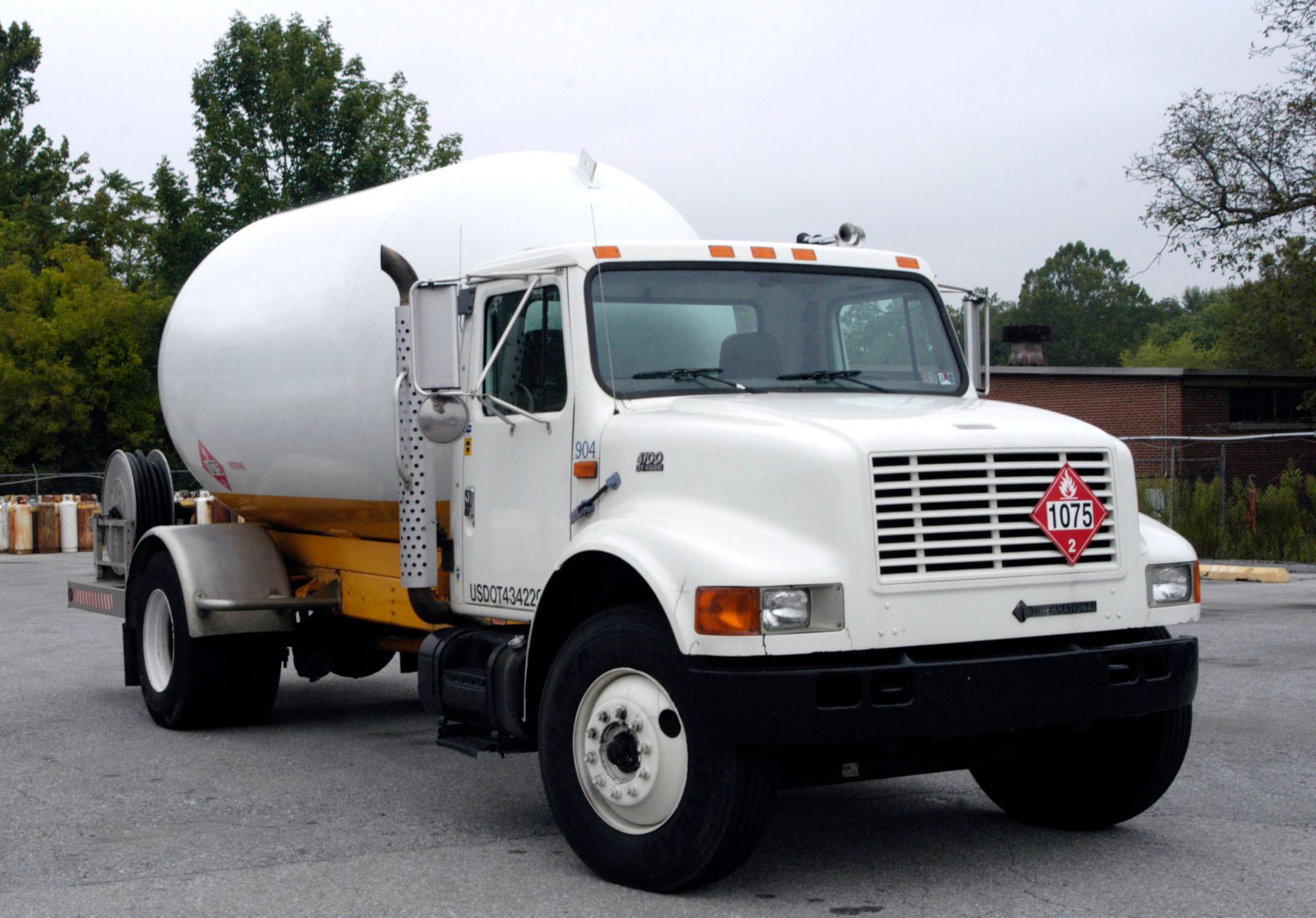
To support emergency response, companies position their resources strategically across service areas. This includes maintaining accessible storage locations and ensuring delivery vehicles are equipped and ready for immediate dispatch. Efficient inventory management allows providers to balance routine deliveries with urgent calls, ensuring neither service is compromised.
Prioritizing Emergency Requests
When multiple service calls come in simultaneously, prioritization becomes essential. Emergency oil delivery providers assess each request based on urgency, such as whether a home has completely run out of fuel or is at risk of losing heat in extreme weather. This triage approach ensures that the most critical situations are addressed first.
Clear communication also plays a key role. Customers are informed about expected arrival times and service steps, helping them plan accordingly. By establishing transparent processes, companies can manage high demand while maintaining trust and reliability.
Dispatching and Route Optimization Under Pressure
Coordinating Driver Availability
A successful emergency oil delivery depends on having trained drivers ready to respond at a moment's notice. Companies maintain schedules that allow for extended service hours, including overnight and weekend availability. This ensures that emergency calls can be addressed regardless of when they occur.
Drivers are not only responsible for transporting fuel but also for navigating challenging conditions, such as icy roads or limited visibility. Their experience and preparedness contribute significantly to the overall reliability of the service. By investing in skilled personnel, providers ensure that deliveries are completed safely and efficiently.
Planning Efficient Delivery Routes
Route planning is a critical logistical element, especially during emergencies when time is limited. Dispatch teams evaluate multiple factors, including traffic conditions, weather patterns, and the location of each request. By optimizing routes, they can reduce travel time and serve more customers within a given timeframe.
In urgent scenarios, flexibility is key. Routes may be adjusted in real time to accommodate new emergency calls or changing conditions. This dynamic approach allows companies to maintain responsiveness without sacrificing efficiency, ensuring that each delivery is completed as quickly as possible.
Maintaining Reliable Communication Channels
Effective communication between dispatch teams, drivers, and customers is essential for smooth operations. Real-time updates help drivers navigate efficiently and allow dispatchers to monitor progress. At the same time, customers benefit from clear information about delivery timing and service expectations.
This level of coordination minimizes delays and reduces uncertainty. When customers know help is on the way, it alleviates stress and reinforces confidence in the service provider. Reliable communication is a cornerstone of successful emergency oil delivery operations.
Delivering Customer-Focused Emergency Services
Offering Flexible Delivery Options
Professional oil delivery companies recognize that every household has unique needs. To address this, they offer a range of service options, including automatic delivery schedules, budget plans, and one-time emergency requests. These options provide customers with greater control over their fuel supply and reduce the likelihood of running out unexpectedly.
Flexibility also extends to scheduling. While standard deliveries may be completed within a set timeframe, emergency oil delivery services are designed to bypass typical timelines and prioritize immediate response. This adaptability ensures that customers receive the support they need without unnecessary delays.
Supporting Preventive Planning
While emergency services are essential, many providers also emphasize preventive measures to help customers avoid urgent situations altogether. Regular delivery schedules, usage monitoring, and clear guidance on fuel management can significantly reduce the risk of running low during peak demand periods.
By encouraging proactive planning, companies create a more stable service environment. Customers benefit from consistent heating, while providers can allocate resources more effectively. This balance supports both routine operations and emergency response capabilities.
Ensuring Peace of Mind During Emergencies
At its core, emergency oil delivery is about more than logistics. It is about providing reassurance during challenging moments. When a home loses heat, the situation can quickly become uncomfortable and even unsafe, particularly during severe weather. A prompt and reliable response helps restore not only warmth but also a sense of security.
Professional providers understand the importance of this responsibility. Their commitment to timely service, clear communication, and dependable delivery ensures that customers can rely on them when it matters most. This focus on customer care is what sets experienced companies apart in the industry.
The logistics behind emergency oil delivery involve a complex interplay of planning, coordination, and execution. From managing supply chains to dispatching drivers and prioritizing urgent requests, every aspect is designed to ensure a fast and reliable response. These operations require both precision and flexibility, allowing providers to adapt to changing conditions while maintaining consistent service. Careful preparation, clear communication, and efficient resource allocation all contribute to the ability to meet urgent demands without compromising overall service quality.
For homeowners, the value of emergency oil service lies in its ability to restore comfort quickly and efficiently. By relying on experienced professionals who understand the demands of the industry, customers can feel confident that their heating needs will be met, even in the most urgent situations. This reliability not only protects against immediate discomfort but also supports the long-term performance of heating systems by preventing disruptions caused by fuel shortages. In the end, dependable service ensures peace of mind throughout the heating season. For a dependable oil delivery service your home or business can count on during emergencies, be sure to contact Al's Oil Service!