April 3, 2026
Understanding the health of your heating oil system is crucial for a warm and safe environment in your home during cold seasons. Maintaining your heating system is not just about comfort; it's about maintaining the efficiency and longevity of the equipment. Many homeowners often overlook subtle indicators that their heating system might be failing, leading to unexpected breakdowns. By recognizing these signs early on, you can avoid costly repairs and improve the overall efficiency of your heating system.
Unusual Noises Coming from the System
A common sign of potential mechanical failures within a heating oil system is the presence of rattling or humming sounds. These noises can often be attributed to loose components or debris trapped within the system. If left unaddressed, these vibrations can lead to more significant damage over time. Often, these sounds hint at electrical problems within the heating system. An old or failing motor can generate a humming noise, indicating the need for replacement.
Banging or clanging sounds often suggest problems with the system's expansion. As metal components expand and contract with temperature variations, they may collide with other parts. This noise can indicate that the pipes or ducts are expanding too much or that the system is improperly installed.
Whistling sounds from your heating system often point to airflow obstructions. Such blockages can be caused by clogged air filters, which prevent the smooth passage of air. Additionally, whistling might indicate that there's a hole or leak within the ducts themselves.
Another critical auditory sign is a sudden change in the sound patterns of the heating system. Regular cleaning and maintenance at least once a year, according to This Old House, can help detect sound changes early. By attending to these changes promptly, you can keep the system in optimal condition.
Inconsistent Heat Distribution
One of the primary signs of a faltering heating system is cold spots appearing throughout the home. This uneven distribution of heat indicates that certain parts of the house are not receiving adequate warmth. Such issues often stem from obstructions in the ductwork or poorly designed heating layouts.
Another noticeable sign is the fluctuation of indoor temperatures, even when the thermostat remains constant. These changes often signify malfunctioning thermostat settings or sensor failures. This inconsistency can result from inadequate insulation, which causes the system to work harder to maintain a set temperature.
A delayed response from your heating system once it is activated may be an indication of inefficiencies within the system. Such delays are often due to an aging system or issues with the ignition components. While the system may eventually reach the desired temperature, the prolonged duration can increase operational costs.
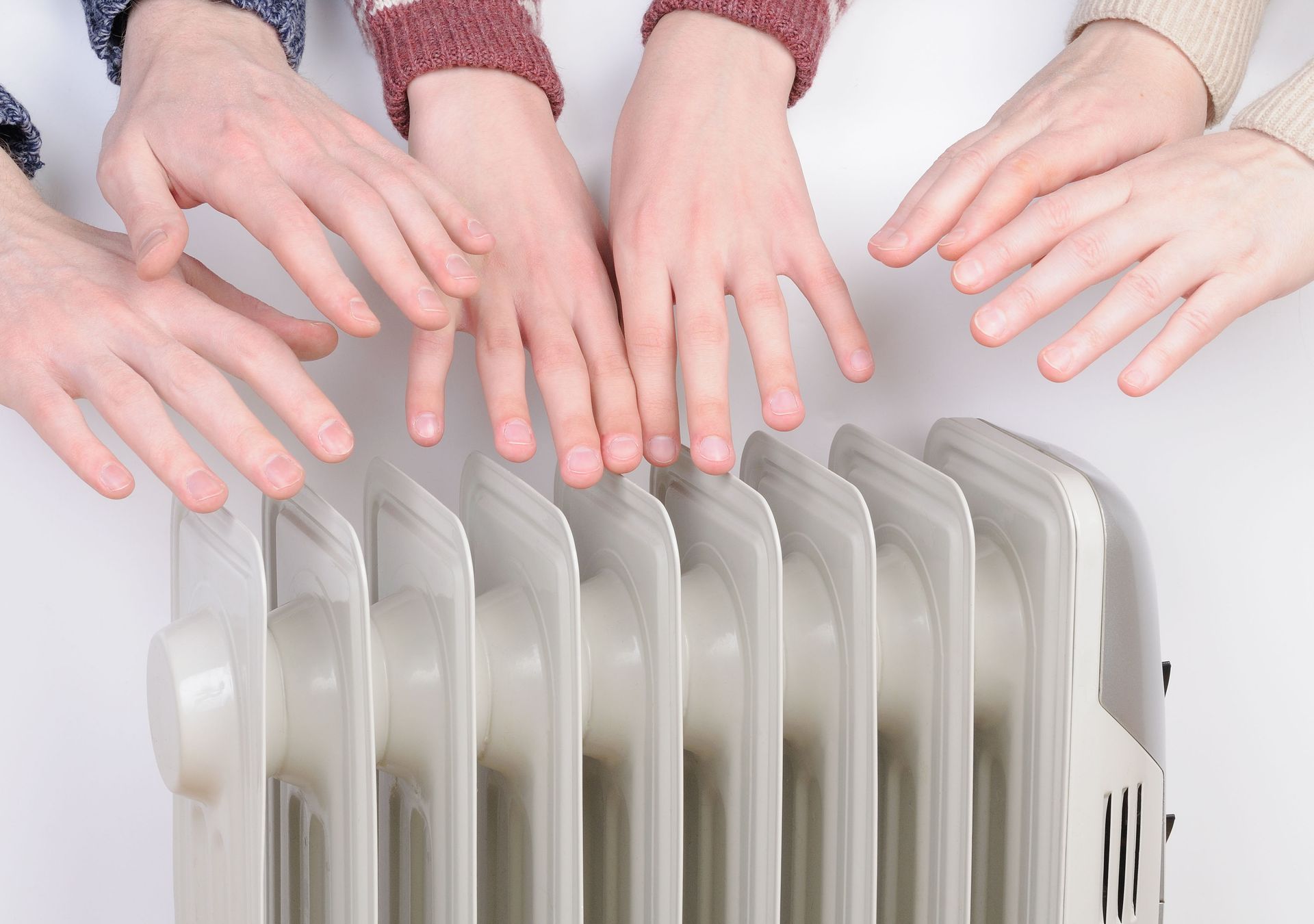
Radiators in your home may not all heat equally, suggesting underlying system issues. Some radiators may remain cold or take longer to heat, indicating potential pressure problems or airlocks in the system. These issues can prevent the hot water or steam from circulating effectively throughout the radiators.
Visible Oil Leaks Around the System
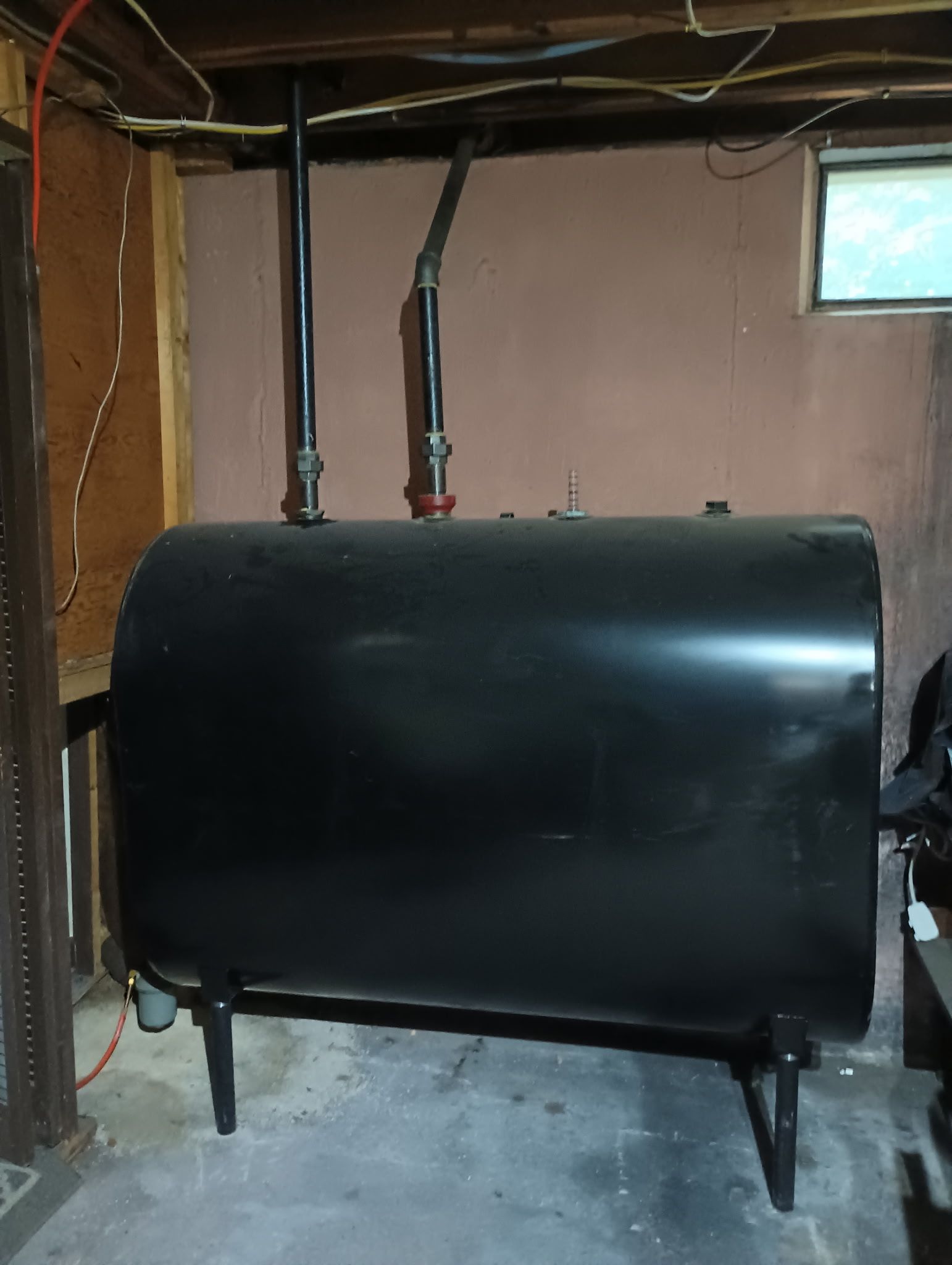
Pooled oil near the tank is a clear indicator of leakage, which can lead to environmental hazards and system inefficiencies. Such leaks might be due to a defective tank, damaged valve, or poor maintenance. Ignoring these leaks can result in severe environmental contamination and costly repairs.
Dripping or seepage from system pipes can signify material fatigue or faulty connections. These leaks may not only waste valuable fuel but can also lead to corrosion if left unchecked. Over time, unchecked leaks can cause extensive damage to the surrounding area and system components.
Stains on walls or floors near the heating system can indicate previous or ongoing leaks. Such stains might occur due to oil spills, leaks, or system pressures. These stains aren't just cosmetic issues; they often point to underlying system failures.
If you notice a sudden spike in your heating oil consumption, it could indicate a leakage problem. These leaks lead to wastage and higher operational costs as the system works harder than necessary. Leaks not only waste fuel but also trick the system into overcompensation, causing excessive consumption.
Increased Energy Bills
Comparing your current energy bills with past statements can reveal sudden increases in energy consumption. Such hikes often hint at decreasing system efficiency, causing the system to consume more fuel. Keeping a record of bills allows you to recognize unusual patterns and rising costs.
Even with low thermostat settings, high consumption patterns suggest underlying system issues. This inefficiency might result from leaks, blockages, or component malfunctions, causing the system to overwork.
Analyzing consumption trends over time provides insights into system health and efficiency. Gradual increases typically signify progressive wear and tear or inefficiencies that accumulate over time. Regularly checking and benchmarking these trends enables early detection of potential issues.
Benchmarking your heating oil consumption against households with similar setups can provide valuable insights. Unexpectedly high consumption compared to similar homes might suggest a system issue. Regular benchmarking assures both cost-effectiveness and energy efficiency.
Frequent System Cycles
Short cycling, where the system frequently turns on and off, can drastically reduce the efficiency of your heating system. This frequent activation often results from system oversizing or thermostat malfunctions. A system that constantly restarts can suffer from several underlying issues, including faulty sensors or ignition problems.
Prolonged operation phases without system shut-off could indicate underlying internal issues. This continuous operation might result from thermostat failures or incorrect system configurations. Over time, such extended cycles can lead to increased system strain and inefficiencies.
If a faulty thermostat causes irregular system cycling, it can lead to inefficiencies and discomfort within the home. These failures often arise from outdated or malfunctioning components, requiring timely intervention. Professional assessments can identify thermostat issues and promote efficient system cycling.
Frequent cycling can significantly impact the operational efficiency and wear of the heating system. These inefficiencies are costly, leading to higher energy bills and decreased system longevity. Efficient cycling guarantees both comfort and cost-effectiveness in home heating.
Persistent Pilot Light Issues
If your pilot light consistently goes out, it signals potential system issues requiring immediate attention. Professional services can help identify the root cause and restore system functionality. Addressing this issue keeps heating consistent and reliable.
A yellow or discolored pilot light flame instead of the usual blue can indicate combustion problems. These color changes often result from incomplete combustion or an incorrect gas-air balance. Such discrepancies not only hinder system efficiency but can also pose safety risks.
Difficulty reigniting the pilot light often indicates underlying system health issues. These problems may arise from faulty ignition components or blocked orifices. Consistent struggle with reignition means the system is not acting reliably, increasing discomfort during cold seasons.
If the flame intensity of your pilot light fluctuates, it might hint at air-gas mixture issues or blocked pipes. These fluctuations can lead to inconsistent heating and increased energy consumption. Addressing flame variability helps the heating system remain efficient and functional.
Recognizing the signs of a struggling heating oil system enables timely maintenance and avoids critical failures. Regular checks and professional services promote a reliable heating system that will keep your home warm and energy-efficient. Addressing these issues promptly can significantly extend the life of your heating oil system. Contact Al’s Oil Service today to schedule your next professional service and experience the dependable, high-quality heating solutions your home deserves.