May 28, 2026
Proactive planning is the key to maintaining a consistently comfortable, energy-efficient sanctuary for your family. As your residential property ages, the mechanical systems responsible for regulating climate require deliberate, forward-looking strategies rather than reactive fixes. Taking the time to map out the evolution of your home's environmental controls guarantees long-term financial predictability and uninterrupted structural comfort.
Assessing Your Current System and Lifetime Expectations
Many homeowners view their heating and cooling infrastructure as permanent fixtures that only demand attention when an unexpected mechanical failure occurs. However, complex residential mechanical components experience constant thermal stress, electrical cycling, and physical friction that inevitably degrade performance over time. According to The Spruce, the majority of heating systems last 10 to 20 years, and while some can last longer, they will gradually lose their efficiency in maintaining heat within a home. When an aging unit crosses the crucial decade mark, it officially enters a critical operational window where major mechanical breakdowns become statistically more probable, and its daily energy consumption starts to rise noticeably. Rather than waiting for a catastrophic structural failure during a sub-zero winter blizzard or a suffocating summer heatwave, regular structural assessments allow you to map out your replacement timeline rationally and balance your household budget long before an emergency strikes. Partnering with reputable HVAC contractors during this evaluative phase allows you to run diagnostic checks, check heat exchanger integrity, and evaluate overall system airflow. This baseline helps you transition smoothly from expensive emergency repairs to a structured asset management plan for your property.
Understanding the Benefits of Modern HVAC Technologies
The technical advancements in residential climate control over the last decade have completely revolutionized how we approach indoor comfort and environmental sustainability. Standard single-stage systems, which operate strictly at either 100% capacity or completely off, are rapidly giving way to highly advanced variable-speed and multi-stage alternatives. These modern options modulate their output dynamically based on real-time ambient conditions, using significantly less energy to maintain a precise, stable temperature throughout the day without consuming excessive electricity. Furthermore, the rise of heat pump technology offers an all-in-one solution that delivers both exceptional heating during winter and high-efficiency cooling during summer. By moving existing heat from the outside environment rather than creating it through fossil fuel combustion, these units achieve efficiency ratings that far exceed traditional furnaces. When exploring these sophisticated technological options, consulting certified HVAC contractors ensures that you select equipment with appropriate seasonal ratings tailored to your specific geography and local architectural style.
Analyzing the Impact of Proper Equipment Sizing
A common pitfall in residential climate planning is assuming that a larger heating or cooling unit is inherently better for a house. Oversized equipment cycles on and off rapidly, a phenomenon known as short-cycling, which drastically shortens the lifespan of critical mechanical parts and strains your electrical panels. This behavior not only spikes monthly utility bills due to the high energy draw required for startup, but it also fails to properly dehumidify the air, leading to a clammy indoor environment that promotes mold growth. Conversely, an undersized system will run continuously, struggling to hit the thermostat set point and burning through its operational components prematurely while never providing adequate comfort. In either scenario, homeowners end up paying significantly more in premature replacement costs and structural repairs than they would have by investing in the correct system size from the start. Qualified HVAC contractors utilize ACCA Manual J load calculations to determine the exact cooling and heating needs of your unique home layout. This comprehensive formula factors in your regional climate, square footage, wall orientations, window insulation ratings, and local shading, ensuring your new equipment is sized perfectly for long-term reliability.
Recognizing the Value of Advanced Thermostats and Zoning
True climate comfort goes far beyond the central mechanical unit; it requires granular control over how conditioned air is distributed throughout your living spaces. Smart, Wi-Fi-enabled thermostats serve as the central command center for modern homes, learning your daily routines, adjusting temperatures automatically when occupants are away, and providing remote control via mobile applications. To maximize these smart capabilities, implementing a zoned layout divides your home into separate thermal sectors controlled by independent automatic dampers within the ductwork. This layout eliminates the classic residential problem of an uncomfortably hot second floor and an uncomfortably freezing basement, bringing harmony to the household. Integrating these smart features and intricate duct networks requires design work from experienced HVAC contractors, who can balance static pressure across your system to ensure seamless operation.
Evaluating the Long-Term Financial Incentives and Rebates
Transitioning to a highly efficient comfort system requires an upfront financial investment, but the economic landscape has never been more favorable for proactive homeowners looking to upgrade. Federal initiatives, such as the Inflation Reduction Act, provide substantial tax credits for qualifying high-efficiency heat pumps, air conditioners, and advanced electrical upgrades to minimize carbon footprints. Additionally, local utility companies frequently offer cash-back incentives and rebates to encourage homeowners to reduce peak demand on the electrical grid during extreme weather events. Navigating the strict eligibility criteria, required energy efficiency thresholds, and manufacturer warranty registrations can be incredibly complex for an average consumer. Working with knowledgeable HVAC contractors allows you to unlock these hidden savings, access exclusive regional programs, and secure competitive financing terms that align with your household budget.
Optimizing Indoor Air Quality Through Ventilation and Filtration
Modern residential construction focuses heavily on creating airtight building envelopes to prevent energy loss, but this can inadvertently trap airborne pollutants inside your living space. Dust, pet dander, volatile organic compounds from household cleaners, and microbial spores accumulate over time, degrading your indoor air quality and triggering severe respiratory sensitivities for occupants. Upgrading your comfort plan must look beyond temperature to address air purification via high-efficiency media filters, ultraviolet germicidal lamps, and energy recovery ventilators. These integrated components work alongside your central system to actively scrub the air and exchange stale indoor air with fresh, filtered outdoor air seamlessly. Professional HVAC contractors can analyze your home's unique layout and duct configurations to integrate these purification systems without disrupting air velocity or straining your primary blower motor.
Executing a Comprehensive Maintenance Strategy for Longevity
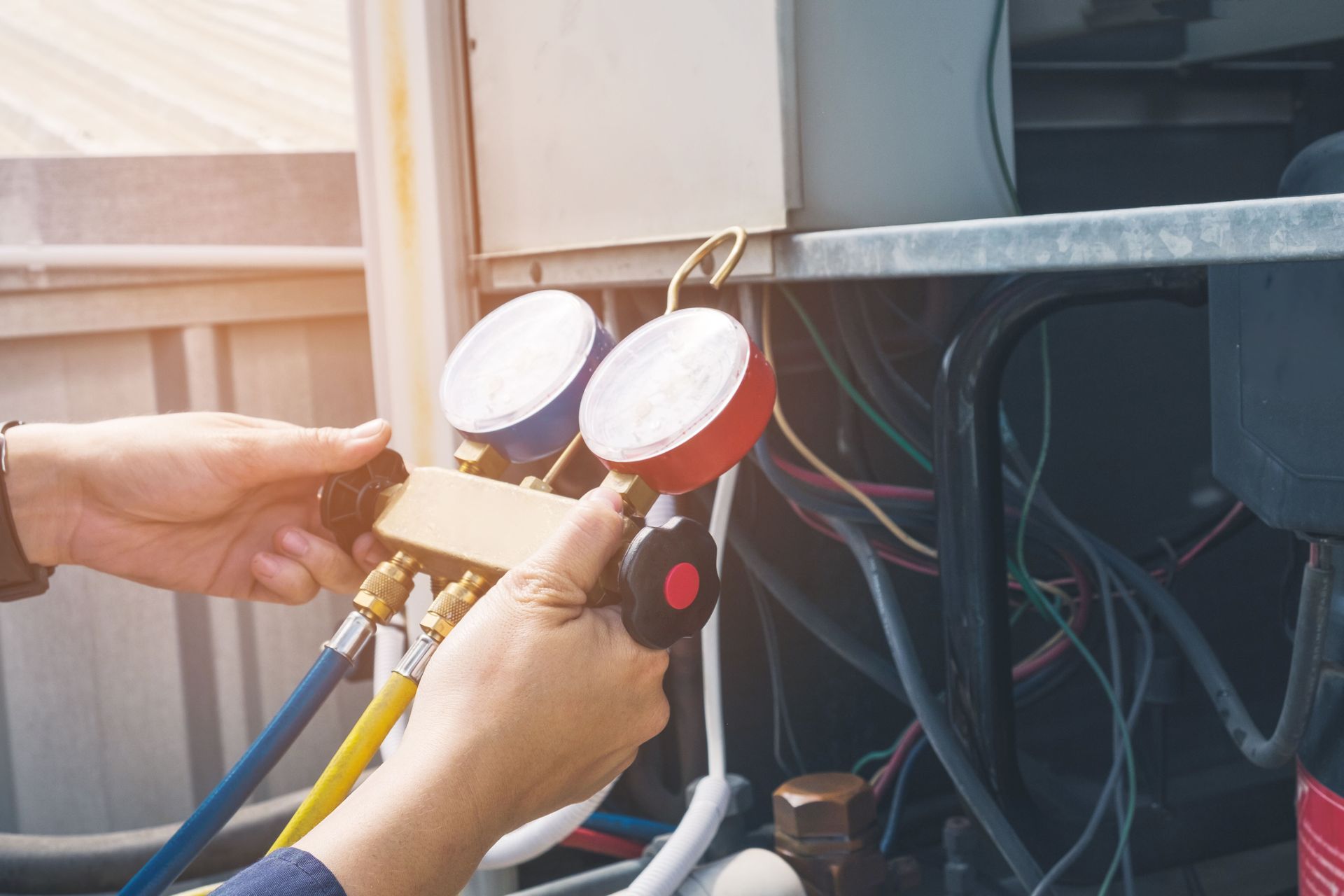
Investing in state-of-the-art climate infrastructure yields minimal long-term returns if the mechanical equipment is neglected post-installation. Neglecting basic upkeep like monthly air filter replacements restricts airflow, forcing the system to work harder, consume more electricity, and overheat sensitive electronic components. A sustainable long-term strategy involves partnering with reputable HVAC contractors for bi-annual precision maintenance agreements. A typical spring and fall tune-up includes cleaning condenser coils, verifying refrigerant charges, inspecting electrical connections, and lubricating moving parts. This disciplined preventative care protects your valuable manufacturer warranties, prevents unexpected weekend breakdowns, and extends the optimal operational lifecycle of your household investment, keeping your family safe for years to come.
By treating your indoor climate system as a long-term investment rather than an afterthought, you secure a sustainable, comfortable future for your household. Embracing modern technology, proper sizing, and professional maintenance ensures that your home remains a resilient refuge against extreme external elements. Take action today to audit your current infrastructure and lay the groundwork for an efficient, reliable tomorrow. For more information on how to increase the comfort of your home with the advancing technologies of HVAC systems, please reach out to Al's Oil Service to learn about available HVAC services.